Billing Your Way Into Global Live Tables: Carrier Payments Unlock Crypto Jackpots Without ID Barriers
Alex Walter · Jun 21, 2026
Billing Your Way Into Global Live Tables: Carrier Payments Unlock Crypto Jackpots Without ID Barriers
Carrier billing has emerged as a primary deposit method for players seeking access to global live dealer tables where crypto jackpots operate without mandatory identification checks, and this payment route connects mobile accounts directly to platform balances in seconds. Platforms in offshore jurisdictions integrate these charges through partnerships with major telecom providers, allowing deposits that appear on monthly phone statements rather than bank records.
Mechanics of Carrier Payments in Live Gaming Environments
Users select the carrier billing option during checkout on participating sites, enter their mobile number, and confirm the transaction via SMS code, after which the amount transfers to the gaming account instantly while the telecom provider handles collection later. This process avoids credit card processors and e-wallet intermediaries that often require address verification or source of funds documentation. Data from industry tracking services show carrier billing volumes in gambling rose steadily through 2025 in markets across Southeast Asia and Latin America, where mobile penetration exceeds traditional banking access.
Live dealer tables benefit particularly from these deposits because sessions run in real time, and players need immediate funds to join tables featuring roulette, blackjack, or baccarat variants tied to progressive crypto jackpot pools. The absence of ID barriers stems from the payment method itself, which relies on existing telecom subscriber agreements instead of new financial onboarding procedures.
Integration With Crypto Jackpot Systems
Once carrier funds reach the account, many platforms convert portions automatically into supported cryptocurrencies such as Bitcoin or stablecoins, enabling participation in jackpot draws that settle on blockchain networks. These jackpots accumulate across multiple international player pools, and payouts occur through wallet addresses without additional identity verification steps beyond the initial carrier confirmation. Observers note that conversion rates at deposit often match market prices at the moment of transaction, reducing exposure to volatility during the brief window between billing and gameplay.
Research from the European Gaming and Betting Association indicates that hybrid payment models combining carrier billing with crypto settlements have expanded in non-European offshore hubs since 2024, driven by demand for faster settlement times compared to traditional wire transfers.
Global Access Patterns and Platform Examples
Operators based in jurisdictions like Curaçao and Anjouan host live tables that accept carrier payments from users in dozens of countries, and these sites maintain separate crypto jackpot leaderboards updated every few minutes during peak hours. Players in Australia and Canada frequently use this route because local telecom carriers support micro-transactions that align with gambling deposit limits set by platform policies rather than national banking rules. By June 2026, analysts project continued growth in Asia-Pacific carrier integrations as more telecom networks finalize API connections with gaming software providers.
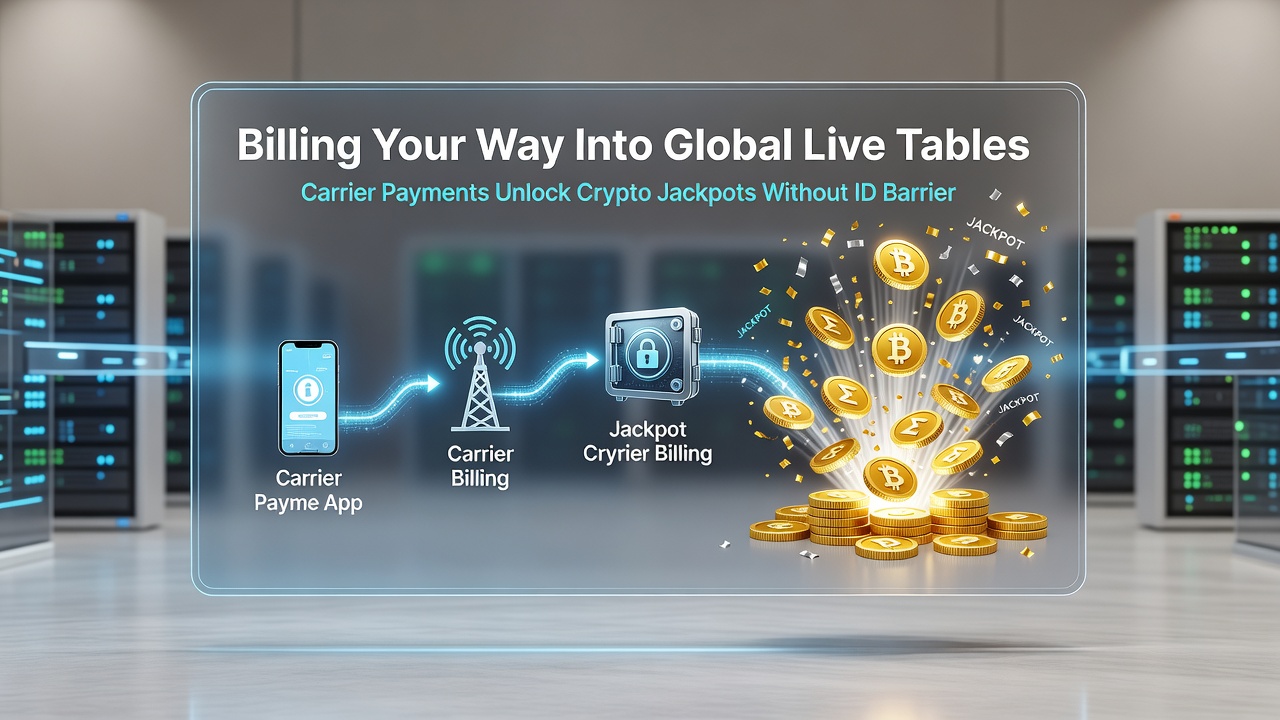
Case examples include platforms that route carrier deposits through aggregator services, ensuring compliance with carrier terms while routing the net amount to crypto wallets hosted on the site. These aggregators handle currency conversion and fee structures, typically charging between 10 and 15 percent on top of the deposit, which platforms sometimes absorb to remain competitive. Live dealer streams remain uninterrupted because the funding confirmation arrives before the next betting round begins.
Regulatory Context Across Regions
Authorities in Canada and Australia monitor carrier billing usage in gambling through existing telecom oversight frameworks, and reports from the Australian Communications and Media Authority track transaction volumes without imposing new KYC mandates on the gaming operators themselves. This separation allows platforms to maintain ID-free entry points while carriers apply their standard subscriber verification processes at the account level. In contrast, certain Latin American markets have seen carriers introduce voluntary spending caps on gambling-related charges following 2025 policy reviews.
Industry reports show that platforms using carrier billing report lower chargeback rates than those relying solely on cards, since disputes route through telecom providers rather than payment networks with stricter gambling policies. The model also supports higher transaction frequencies, which aligns with live table dynamics where players may top up balances multiple times per session.
Conclusion
Carrier payments continue to facilitate entry into global live tables featuring crypto jackpots by leveraging existing mobile infrastructure, and this approach maintains momentum into 2026 across multiple regulatory environments. Platforms that combine these deposits with blockchain settlement options report sustained player activity from regions where traditional banking channels impose additional verification layers. The pattern demonstrates how telecom billing systems intersect with decentralized finance tools to support real-time international gaming participation without centralized identity requirements.