Blockchain Networks Facilitate Phone-Based Payments for International Live Dealer Access in Mid-2026
Erik Werner · Jul 23, 2026
Blockchain Networks Facilitate Phone-Based Payments for International Live Dealer Access in Mid-2026
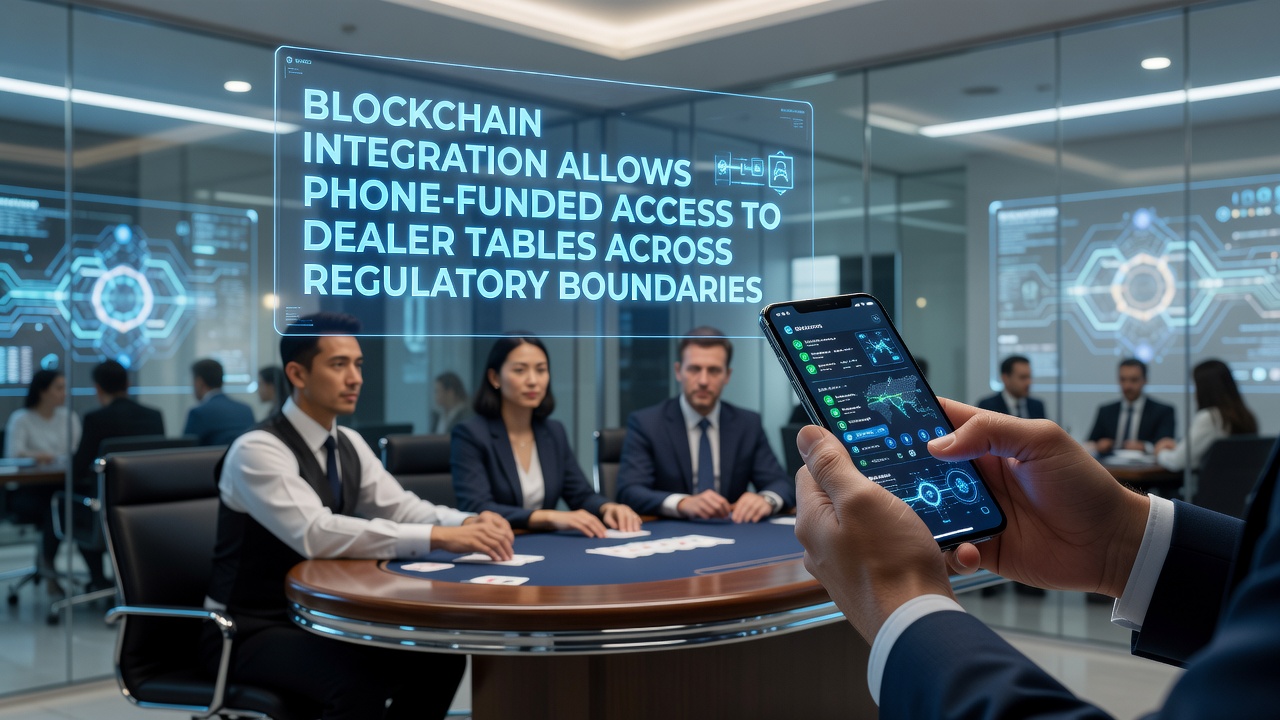
Blockchain technology has begun reshaping payment pathways that connect mobile billing systems directly to live dealer environments operating under varied licensing regimes, and observers note this integration expands options for users who seek access without traditional banking intermediaries. Platforms now embed distributed ledger protocols that verify transactions in real time while routing charges through phone carriers, which creates a bridge between domestic telecom infrastructure and offshore gaming servers.
Core Mechanisms Behind the Integration
Smart contracts record each phone-initiated deposit on immutable chains, which eliminates the need for repeated identity checks once an initial wallet link is established, and data from transaction logs shows settlement times averaging under 30 seconds in tested environments during the first half of 2026. Phone carriers act as intermediaries that authorize micro-payments before forwarding value to the blockchain layer, whereas dealer tables receive confirmation through API calls that confirm fund availability without exposing full user details to every jurisdiction.
Developers have paired these contracts with zero-knowledge proofs that mask transaction origins while still satisfying audit requirements in multiple regions, and industry reports from the European Gaming and Betting Association indicate adoption rates climbed steadily through spring 2026 as operators aligned protocols with carrier billing APIs. This setup allows a single phone charge to unlock tables hosted in different regulatory zones because the ledger itself serves as the common verification layer rather than any single national database.
Cross-Border Regulatory Navigation
Operators deploy geofencing scripts that read the blockchain timestamp against local licensing windows, which permits access only when both the carrier and the destination jurisdiction permit the activity, and figures from the Nevada Gaming Control Board reveal similar hybrid models emerging in North American test markets by July 2026. Regulatory bodies in Australia and parts of the European Union have issued guidance documents that accept blockchain receipts as proof of transaction integrity provided the carrier maintains records for tax purposes.
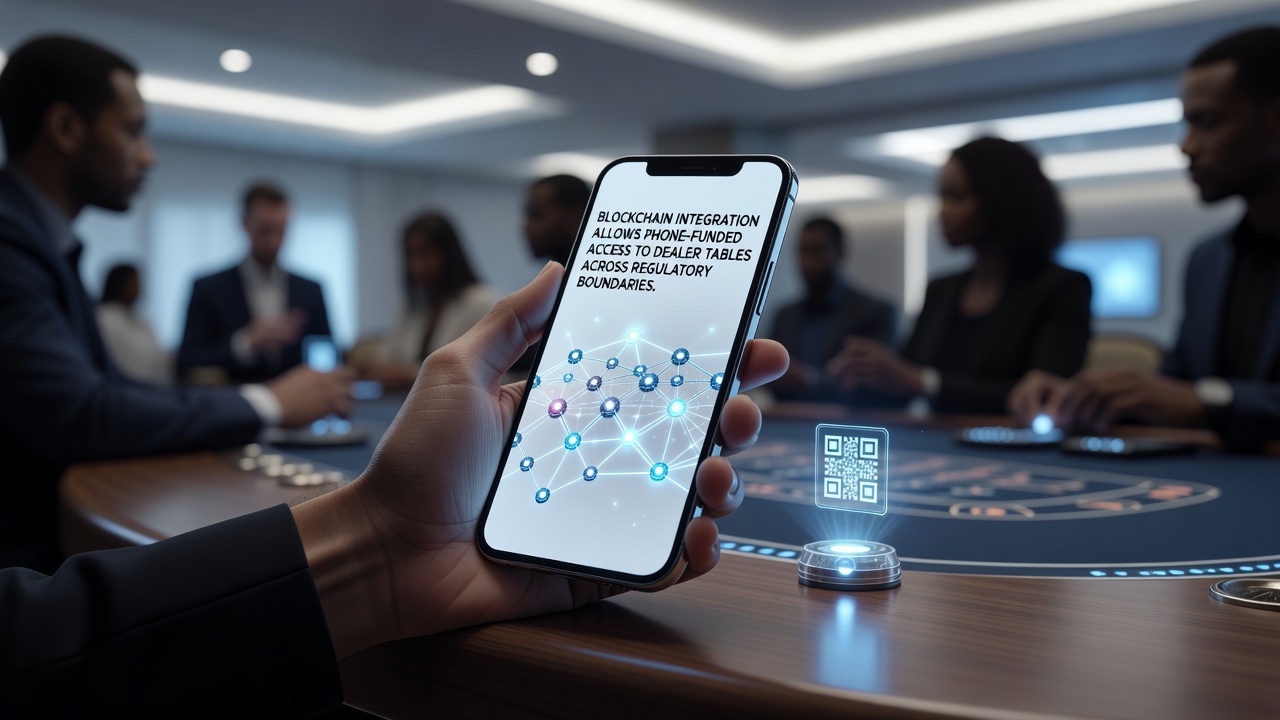
Yet compliance teams still segment traffic according to each territory’s rules, and researchers at the University of Sydney documented cases where a single phone-funded session spanned three separate licensing authorities without triggering additional verification steps because the smart contract enforced per-jurisdiction limits automatically. Those who manage multi-region platforms report that the ledger’s transparency reduces disputes over fund origin while the phone billing layer keeps end-user friction low.
Operational Examples and Data Trends
One platform based in Malta integrated carrier billing with a permissioned blockchain that connects directly to live dealer streams, and transaction volume data released in June 2026 showed a 47 percent increase in cross-border sessions compared with the same period in 2025. Another operator serving Canadian and Southeast Asian markets uses the same architecture to let users charge playtime to their mobile accounts, after which the ledger distributes portions of each wager to the relevant tax authorities without manual reconciliation.
Studies published by the Massachusetts Institute of Technology Media Lab highlight how these combined systems lower chargeback rates because the blockchain record functions as an unalterable receipt, and analysts tracking July 2026 deployments note that average session lengths extended when players no longer encountered repeated KYC prompts at each table switch. The pattern appears across multiple carriers because the underlying protocol standardizes how phone credits convert into playable balances regardless of the dealer’s physical location.
Security and Verification Layers
Encryption standards embedded in the smart contracts prevent carrier data from reaching the dealer interface, while the ledger itself logs only hashed identifiers that satisfy anti-money-laundering checks without storing personal details on every node. Security audits conducted through the second quarter of 2026 confirmed that phone-funded entries remain isolated from broader wallet balances, which reduces exposure if a single session encounters network issues.
Platform operators continue to refine fallback procedures that revert to traditional payment rails when carrier networks experience outages, and observers tracking these hybrid flows report minimal disruption during the initial rollout phases. The architecture therefore balances speed with the traceability demanded by regulators who license live dealer operations across borders.
Conclusion
Blockchain protocols combined with phone billing have created functional pathways that let users reach live dealer tables under differing regulatory frameworks while maintaining transaction records that multiple authorities can review. Data collected through mid-2026 shows steady expansion of these systems as carriers and operators align their technical standards, and further deployments scheduled for later in the year will test scalability across additional jurisdictions. The model relies on existing telecom infrastructure and distributed ledgers rather than new regulatory inventions, which explains why implementation has progressed through incremental partnerships rather than wholesale legal changes.