Blockchain Protocols Redefine Mobile Entertainment Access in Regulatory Exempt Zones
Cameron Krause · Jul 12, 2026
Blockchain Protocols Redefine Mobile Entertainment Access in Regulatory Exempt Zones
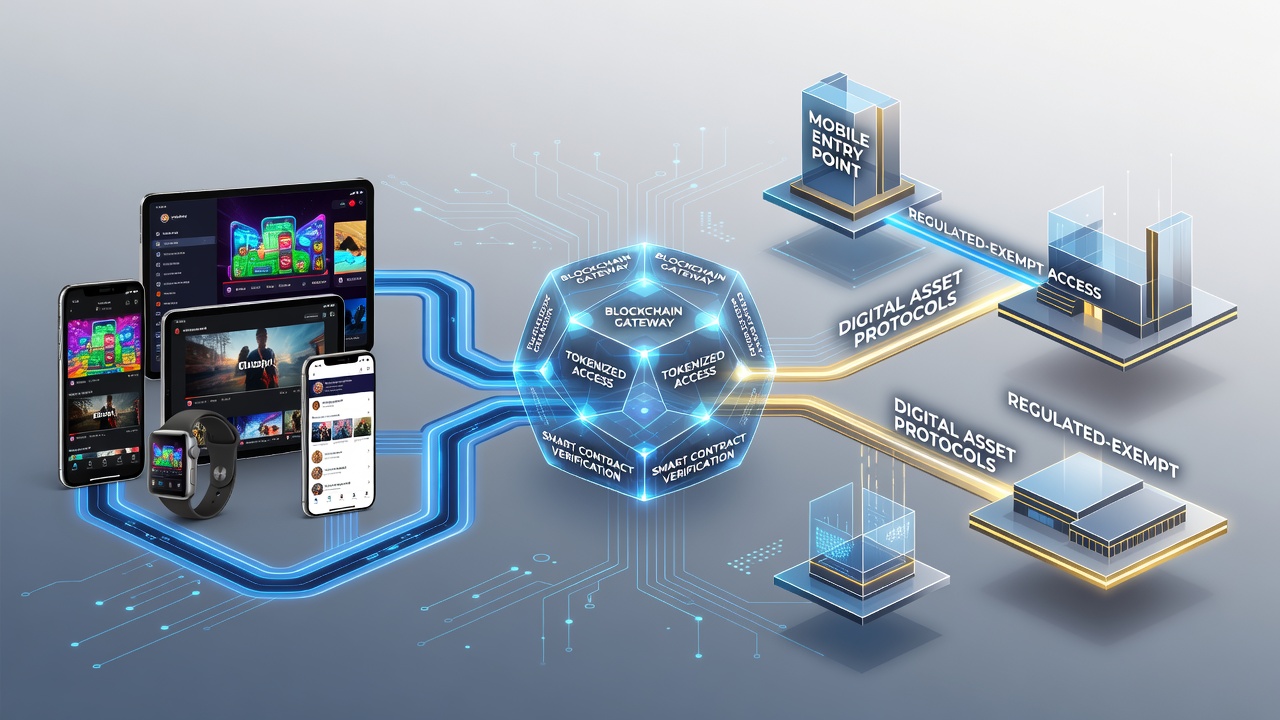
Emerging digital asset protocols built on distributed ledger technology continue to alter how users enter mobile entertainment ecosystems within jurisdictions that maintain regulatory exemptions for certain financial instruments. These protocols facilitate tokenized access mechanisms, smart contract-based subscriptions, and decentralized payment rails that bypass traditional banking intermediaries in locations such as Singapore, Switzerland, and select Caribbean territories where specific crypto activities fall outside standard oversight frameworks.
Smart contracts deployed on networks like Ethereum and Solana execute automatic verification of digital asset holdings to grant immediate entry to mobile platforms offering streaming services, interactive applications, and virtual experiences. According to data from the Bank for International Settlements, cross-border transactions settled via these protocols reached notable volumes in early 2026, with mobile device integration accounting for a growing share of activity in exempt environments.
Tokenized Entry Systems and Mobile Integration
Token standards such as ERC-721 and newer variants allow creators to issue unique digital keys that unlock content libraries directly through mobile wallets. Users in exempt jurisdictions transfer these tokens peer-to-peer without requiring centralized account approvals, which streamlines onboarding for entertainment apps focused on live events, augmented reality experiences, and community-driven media. Research from the OECD indicates that such mechanisms reduce settlement times from days to seconds when compared with conventional payment processors operating under stricter licensing regimes.
Mobile applications now embed wallet functionalities that detect protocol-compliant assets in real time, enabling seamless transitions between discovery and consumption phases. This integration proves particularly effective in regions where local authorities have carved out exemptions for decentralized finance tools, allowing operators to deploy updates without navigating lengthy compliance reviews associated with traditional financial services.
Payment Rails and Jurisdictional Advantages
Decentralized finance protocols supply alternative rails for value transfer that operate independently of correspondent banking networks often restricted in cross-border entertainment transactions. In exempt zones, developers leverage stablecoin issuances pegged to major currencies to stabilize pricing for in-app purchases and recurring access fees. Figures from Singapore's Monetary Authority reveal increased adoption of these instruments for digital service payments throughout 2025 and into July 2026, coinciding with expanded mobile network coverage in several participating territories.
Interoperability standards between different blockchain networks further support multi-protocol environments where users maintain single mobile interfaces for diverse entertainment sources. Observers note that this reduces friction associated with currency conversion and identity verification steps mandated in fully regulated markets, though participants must still adhere to local anti-money laundering provisions that remain active even within exempt frameworks.

Case Examples from Exempt Territories
One developer collective operating from a Caribbean jurisdiction with targeted crypto exemptions launched a mobile platform in late 2025 that uses non-fungible tokens for seasonal access passes to virtual concerts and interactive storytelling series. Transaction logs published on public explorers show thousands of daily entries processed through these tokens, with activity spikes observed around major content releases. Similar initiatives in Swiss cantons have incorporated layer-two scaling solutions to handle higher volumes of micro-transactions typical in mobile entertainment consumption patterns.
Academic analysis from the University of Zurich highlights how these setups create parallel entry pathways that coexist with conventional app store models while offering lower overhead for smaller content providers. The study tracks protocol usage metrics that demonstrate consistent growth in user retention rates within the studied exempt locations through the first half of 2026.
Technical Infrastructure Developments
Layer-two solutions and zero-knowledge proof implementations enhance privacy features within these protocols, allowing mobile users to prove token ownership without revealing full wallet histories. Such advancements align with the operational needs of entertainment platforms that handle frequent, low-value interactions. Network upgrades completed across major chains during spring 2026 improved throughput capacities, supporting the simultaneous access demands common during peak usage periods in exempt markets.
Developers continue to refine oracle integrations that pull verified external data into smart contracts governing access rights, ensuring dynamic pricing and availability adjustments based on real-time demand signals from mobile user bases.
Conclusion
Digital asset protocols establish alternative entry vectors for mobile entertainment by combining tokenized permissions, rapid settlement mechanisms, and reduced reliance on centralized gatekeepers within regulatory exempt jurisdictions. Continued infrastructure maturation through 2026 supports expanded participation from both providers and consumers operating under these specialized legal conditions, as evidenced by transaction volume trends and platform deployment patterns across multiple regions.