Carrier Billing Innovations Reshape Global Live Gaming and Cryptocurrency Withdrawal Processes
Cameron Krause · Jul 21, 2026
Carrier Billing Innovations Reshape Global Live Gaming and Cryptocurrency Withdrawal Processes
Carrier charges have emerged as a primary payment mechanism that connects mobile users directly to live dealer environments and cryptocurrency networks without traditional banking intermediaries, and this integration continues to expand across multiple continents through 2026. Telecom operators in regions such as Southeast Asia, Latin America, and parts of Europe facilitate deposits that appear on monthly phone statements, which allows participants to fund accounts for real-time table games hosted by professional dealers.
Mobile Carrier Integration with Live Dealer Platforms
Live gaming sessions rely on low-latency connections where players interact with streamed video feeds of roulette wheels, card tables, and other dealer-led activities, while carrier billing handles the financial side by converting airtime or data usage into playable credits. Data from industry monitoring services shows that this method reduces the number of verification steps compared to bank transfers or card payments, because the carrier already maintains user identity records through existing contracts. In July 2026, several operators reported sustained growth in sessions initiated through these channels, particularly in markets where banking access remains limited for portions of the population.
Observers note that platforms built around this model often operate from jurisdictions with lighter oversight on digital entertainment, which enables continuous availability of dealer tables around the clock. Those who have examined transaction logs find that average session durations increase when deposits occur instantly via carrier charges, since players avoid delays associated with external processors. Researchers tracking payment trends across Africa and South America indicate that carrier-linked accounts now represent a measurable share of total live gaming activity in those areas.
Cryptocurrency Cashouts Linked to Carrier Deposits
Digital currency withdrawals complete the cycle by converting gaming balances back into assets that transfer outside conventional financial rails, and many systems now accept carrier-funded deposits as the entry point for such flows. The process typically involves converting phone-billed credits into platform tokens, then exchanging those tokens for major cryptocurrencies such as Bitcoin or stablecoins that settle within minutes. Reports from payment technology firms highlight that this pathway avoids certain cross-border fees that affect traditional wire services, which explains its adoption among users seeking rapid access to funds in different countries.
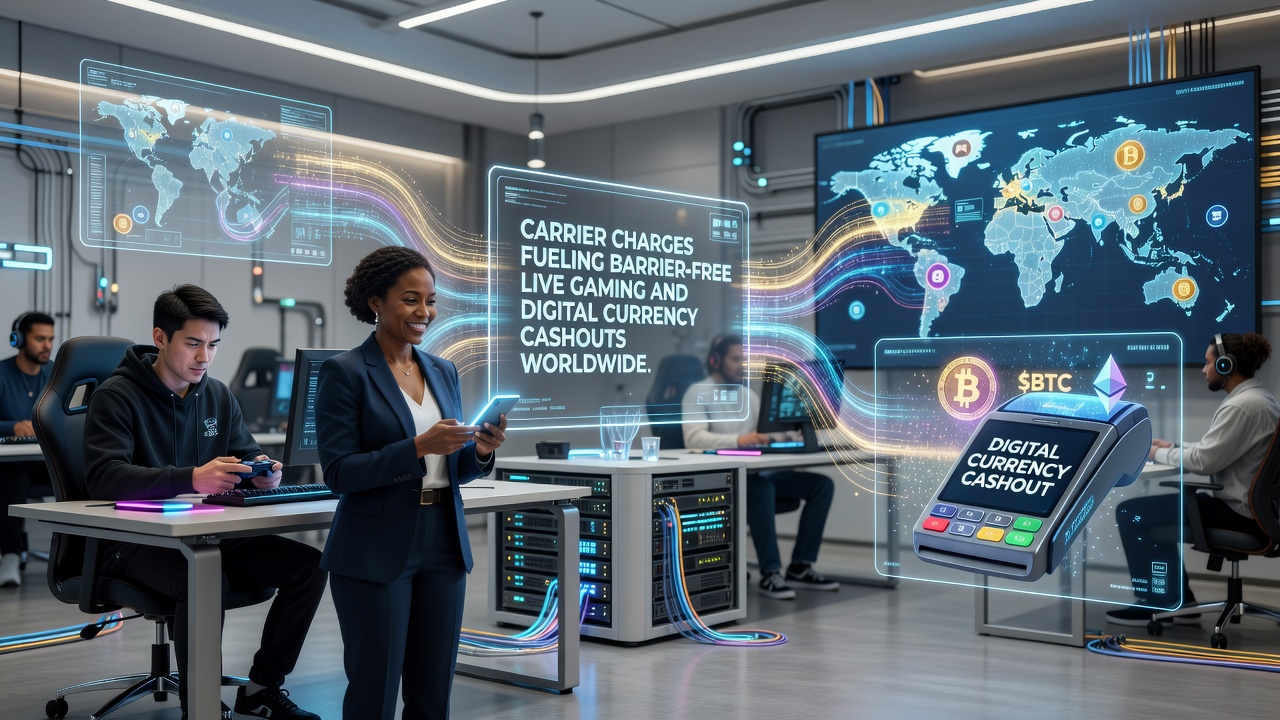
According to analyses published by the Asia-Pacific Gaming Association, carrier-to-crypto bridges have gained traction in jurisdictions including Singapore and Australia, where regulatory frameworks permit certain forms of digital asset handling within entertainment sectors. Those who study settlement speeds observe that withdrawals processed this way often finalize faster than bank-mediated options, especially when platforms maintain direct partnerships with blockchain networks. Figures from academic papers on digital finance show rising volumes of such transactions in 2025 and early 2026, driven by improved API connections between telecom billing systems and crypto exchanges.
Global Reach and Regional Patterns
Patterns vary by geography, with North American and European users sometimes encountering carrier partnerships that route through offshore operators, whereas users in emerging markets rely more heavily on local telecom providers for the same functionality. A study from the University of Toronto's Centre for Digital Finance documented how carrier charges lower entry barriers for live gaming participants in Canada and neighboring regions by bypassing credit scoring requirements common in conventional finance. Meanwhile, data compiled by the European Gaming and Betting Association reveals parallel developments in select EU member states where mobile billing options support cross-border dealer tables.
What's interesting is the way these systems scale without requiring new infrastructure beyond existing phone networks, which already reach billions of subscribers. One analysis from the International Telecommunication Union notes that carrier billing adoption rates for digital services climbed steadily through mid-2026, with gaming representing a visible category within the broader trend. Platforms that combine these charges with crypto options tend to attract users who move between multiple regions, since the underlying technology functions independently of local banking hours or holidays.
Technical and Regulatory Considerations
Security protocols embedded in carrier systems include real-time fraud detection that flags unusual deposit patterns before they reach gaming accounts, and similar checks apply when crypto cashouts are requested. Regulatory bodies in various markets continue to evaluate how these hybrid payment flows fit within existing rules on consumer protection and taxation, though enforcement differs widely. In July 2026, several international forums discussed standardization efforts that could affect how carrier charges interface with digital asset reporting requirements in the future.
Those who have reviewed platform architectures find that API integrations between telecom gateways and both live streaming servers and blockchain nodes now operate with reduced latency compared to earlier implementations. This technical maturation supports higher volumes of simultaneous dealer sessions funded through phone statements and settled through cryptocurrency transfers. Evidence from industry reports suggests that the combined model maintains operational stability even during peak usage periods across different time zones.
Conclusion
Carrier charges continue to serve as an accessible on-ramp for live gaming participation and cryptocurrency movements on a worldwide scale, supported by established telecom infrastructure and evolving digital asset networks. Regional data through July 2026 shows consistent expansion in these payment pathways, with technical improvements and varying regulatory environments shaping their development across continents. The interplay between mobile billing systems, dealer-hosted tables, and instant crypto settlements represents an ongoing area of activity within global digital entertainment sectors.