Carrier Billing Networks Opening Pathways to Global Live Tables and Reel Gaming
Alex Walter · May 21, 2026
Carrier Billing Networks Opening Pathways to Global Live Tables and Reel Gaming
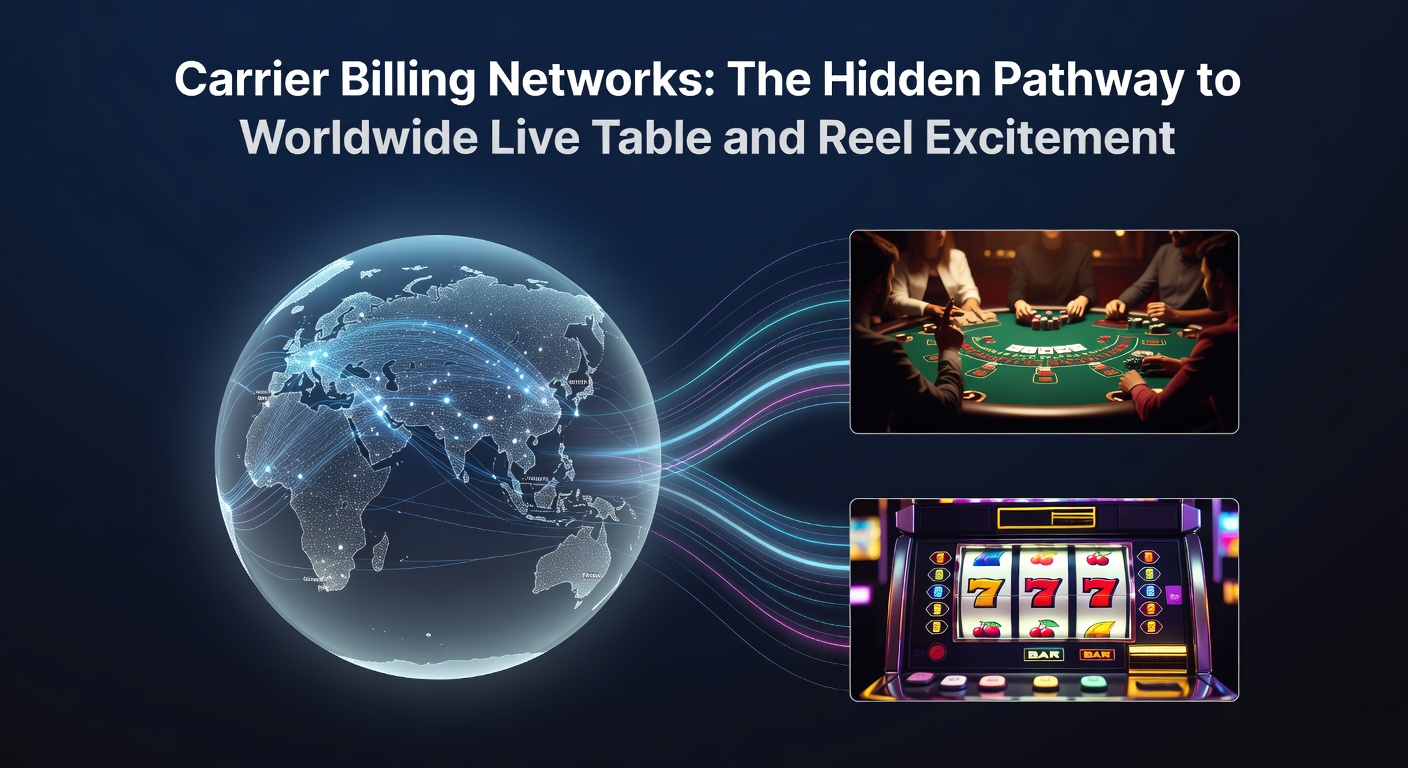
Carrier billing networks enable direct charges to mobile phone accounts for deposits at online gaming platforms that feature live dealer tables alongside reel-based slot machines, creating access routes across multiple regions where traditional payment methods face restrictions. Data from telecom operators indicates steady adoption rates in markets spanning Europe, Asia, and parts of North America as users seek streamlined entry to these entertainment options without separate banking transactions.
How Carrier Billing Integrates with Gaming Platforms
Users select carrier billing at checkout on participating sites, after which the deposit amount appears on their monthly phone statement alongside regular service charges. This process bypasses credit card processors and digital wallets in many cases, while operators handle verification through the mobile network provider. Research from communications authorities shows transaction completion times often fall under 30 seconds, supporting quick transitions into live table sessions or reel spins on mobile devices.
Platforms combine these deposits with cryptocurrency withdrawal systems in numerous offshore locations, allowing players to move funds out via digital coins once gaming concludes. Figures from payment processing reports reveal that such hybrid setups appear in jurisdictions with lighter regulatory oversight, where networks facilitate both slot reel mechanics and real-time dealer interactions without requiring additional identity checks beyond the initial carrier confirmation.
Expansion Across International Markets
Operators in various countries have expanded carrier billing partnerships since earlier network upgrades, with activity noted in May 2026 across select Asian and Latin American providers that connect users to global gaming hubs. These connections support participation in live dealer games that stream from studios in Europe and reel titles developed by international software firms. Industry data indicates growth in transaction volumes tied to mobile subscriptions, particularly where banking access remains limited for certain demographics.
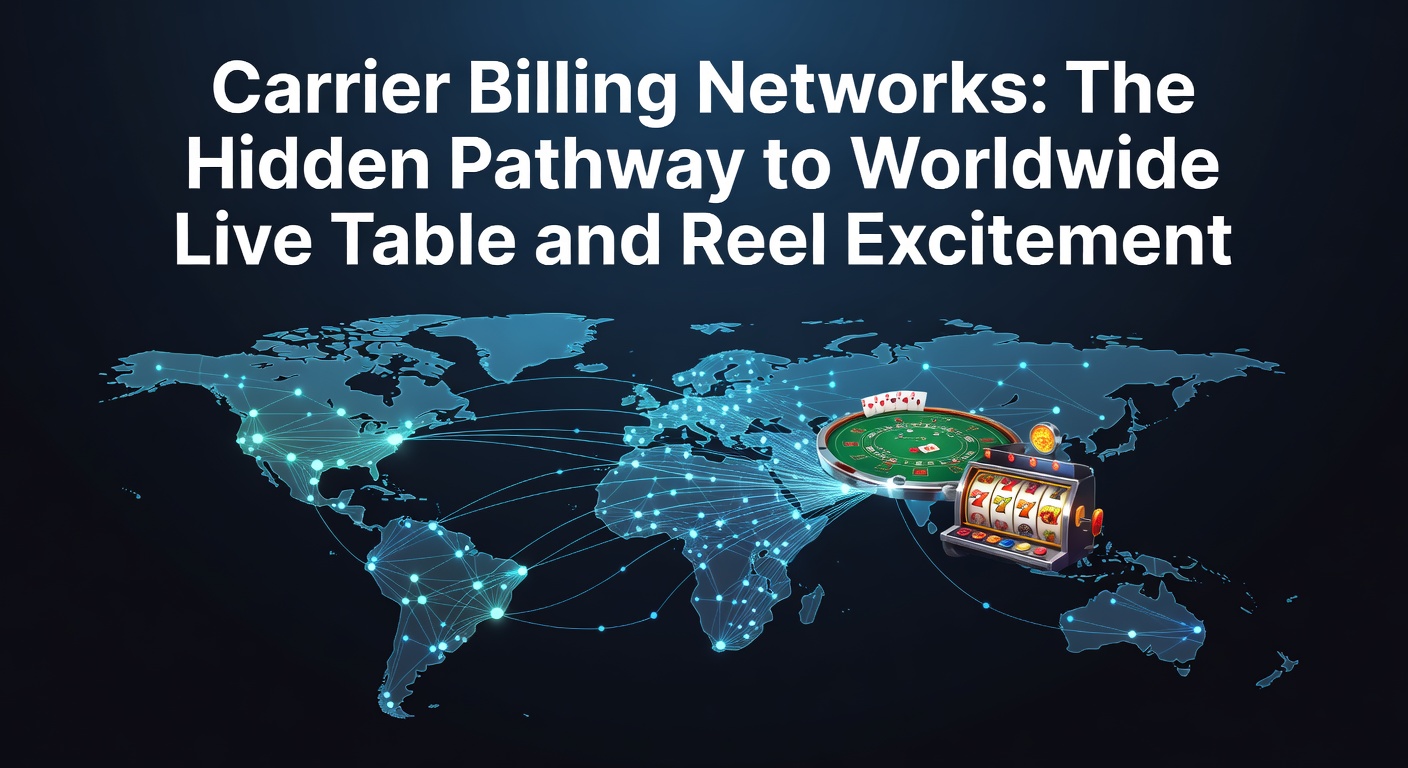
Observers note that regulatory bodies outside the UK, such as those in Canada and Australia, monitor these payment channels to ensure compliance with local telecom rules. One study from a North American research institution found carrier billing usage rising in tandem with mobile gaming apps, while European associations track similar patterns in cross-border entertainment services. The setup allows participants to engage with high-stakes reel features or table games from locations where direct bank transfers encounter blocks.
Technical Features Supporting Live and Reel Experiences
Live table environments benefit from the low-latency deposits that carrier billing provides, enabling players to join blackjack or roulette streams almost immediately after topping up balances. Reel excitement stems from the same funding speed, as titles with progressive jackpots or bonus rounds become available without delays from payment processing queues. Reports from gaming technology firms highlight how these networks maintain compatibility with both Android and iOS devices used worldwide.
Security protocols rely on the encrypted links between casino servers and mobile carriers, which handle authentication through existing account credentials. This approach reduces exposure compared to entering card details repeatedly, according to analyses from cybersecurity research groups. Players often discover that combining phone charges with instant crypto cashouts creates fluid movement between sessions on unrestricted platforms.
Regulatory Context and Market Data
Telecom regulators in regions like the European Union and Australia oversee carrier billing practices to prevent unauthorized charges, requiring explicit user consent at each transaction step. Data compiled by international trade organizations shows these safeguards accompany rising volumes in entertainment sectors that include online tables and reels. In May 2026, several providers updated their billing interfaces to align with new data protection standards while preserving access for gaming applications.
Academic papers from university economics departments have examined how carrier billing lowers entry barriers in emerging markets, leading to broader participation in live dealer formats and slot reel games. Those analyses compare adoption rates across different continents and note correlations with mobile penetration statistics rather than specific gambling outcomes.
Conclusion
Carrier billing networks continue to function as connectors between mobile users and worldwide platforms offering live table interactions alongside reel-based gaming, supported by ongoing infrastructure developments and cross-industry partnerships. Available statistics point to sustained integration with alternative withdrawal methods such as cryptocurrency, while regulatory frameworks from multiple jurisdictions shape operational boundaries. The pathway remains active for participants seeking direct account-based funding options in this entertainment space.