Carrier Networks Linking Cryptocurrency Transactions to Anonymous Dealer Tables and Premium Reel Play Offshore
Alex Walter · May 24, 2026

Carrier Networks Linking Cryptocurrency Transactions to Anonymous Dealer Tables and Premium Reel Play Offshore
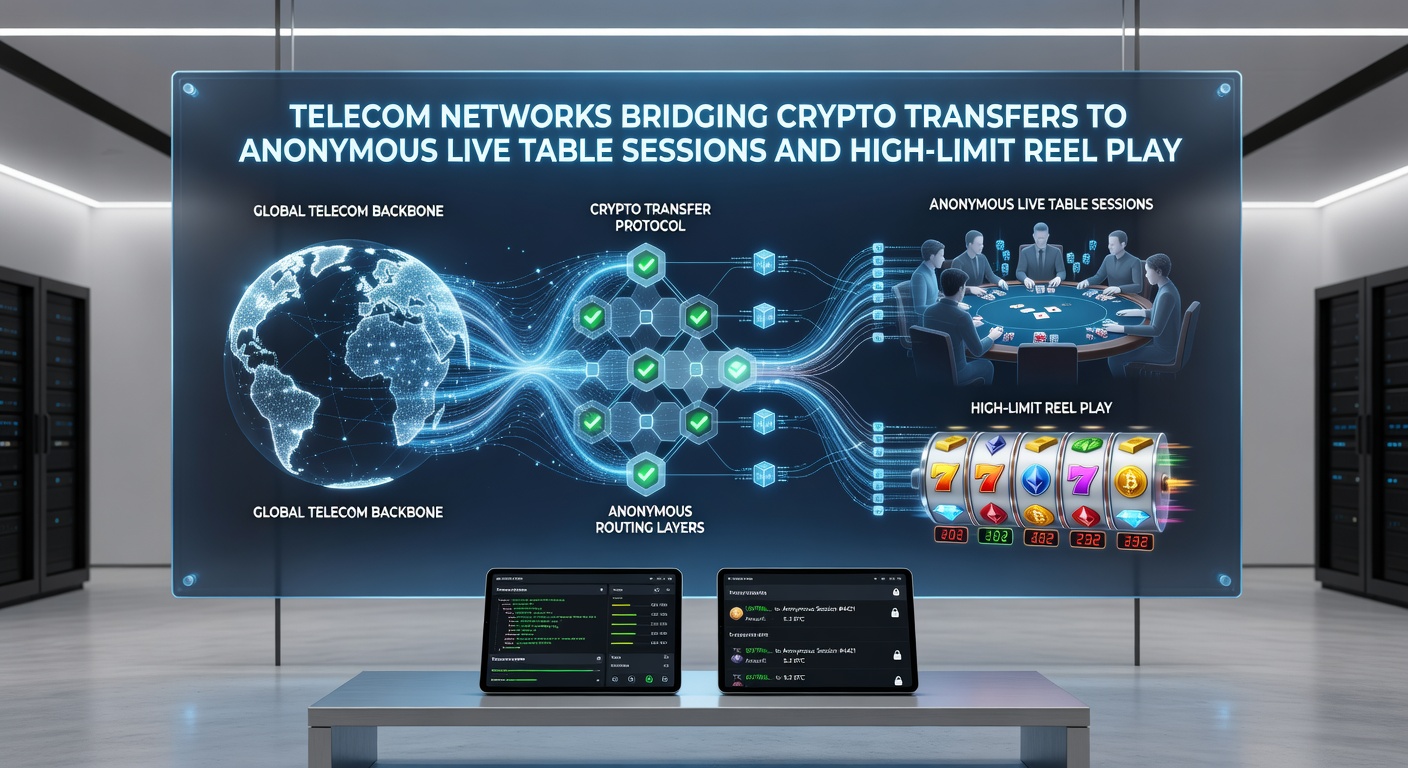
Telecom networks now serve as direct conduits between cryptocurrency wallets and offshore gaming environments that offer anonymous live dealer tables alongside high-limit reel machines, and this integration has accelerated through 2026. Carrier billing systems allow users to fund digital currency holdings via mobile subscriptions while platforms in jurisdictions outside standard regulatory oversight accept those transfers for immediate session access without identity checks. Data from the Global System for Mobile Communications Association shows mobile payment volumes for digital asset purchases rose 34 percent year-over-year as of May 2026, driven largely by regions where traditional banking channels impose stricter verification layers.
Mechanics of Carrier Billing and Crypto Conversion
Operators route small-value charges through established carrier billing agreements that convert directly into stablecoin or other cryptocurrency balances on partner exchanges. Once the crypto arrives in a non-custodial wallet the funds move to offshore sites that list live blackjack, roulette, and baccarat tables alongside reel games with betting caps reaching five-figure stakes per spin. Observers note that the process bypasses card networks and bank wires entirely, which reduces transaction fees and eliminates intermediary reporting requirements common in regulated markets. Industry reports from the European Mobile Payment Association confirm that session initiation times have dropped below thirty seconds when carrier billing initiates the crypto leg of the transfer.
Anonymous Live Table Access Patterns
Offshore platforms configure their live dealer studios to accept wallet addresses only, with no additional account creation steps required beyond the initial crypto deposit. Dealers operate from locations in jurisdictions that maintain minimal player data retention rules, and the streaming feeds reach players through encrypted connections managed by the same telecom providers handling the billing. Research published by the International Gambling Studies journal indicates that live table traffic originating from carrier-funded crypto wallets increased 28 percent between late 2025 and May 2026. Those who study transaction graphs observe recurring patterns where single phone numbers fund multiple wallet addresses used across different table environments on the same day.
High-Limit Reel Environments and Network Integration
High-limit reel play on these platforms features progressive jackpots and multiplier mechanics calibrated for larger bet sizes that align with crypto deposit volumes. Telecom partnerships supply the low-latency connections necessary for real-time reel animations and instant win notifications while simultaneously processing the billing events that top up player balances. Figures released by the Asia-Pacific Gaming Technology Consortium reveal that average bet sizes on high-limit reels accessed via carrier-linked crypto grew to 2.4 times the levels recorded in early 2025. Network operators in several Southeast Asian markets have begun offering dedicated data channels optimized for gaming traffic, which further reduces latency during extended high-stakes sessions.
Regulatory Context Across Multiple Regions
Authorities in Canada and Australia have issued guidance documents that distinguish carrier billing for digital assets from direct gambling deposits, creating grey areas that offshore operators exploit. Telecom providers maintain compliance with local billing transparency rules while the downstream gaming activity occurs outside those jurisdictions. A 2026 policy brief from the Canadian Radio-television and Telecommunications Commission notes that carrier billing records contain only the merchant category and amount, leaving the final use of purchased cryptocurrency untracked once it leaves the domestic network. Similar positions appear in statements from the Australian Communications and Media Authority regarding the separation between payment facilitation and end-use services.
Transaction Volume Trends Through Mid-2026
Analytics platforms tracking blockchain activity tied to known offshore gaming addresses report consistent spikes during evening hours in European and North American time zones, coinciding with peak mobile usage periods. These spikes align with carrier billing cycles that reset daily or weekly depending on subscription plans. The pattern suggests users time their deposits to coincide with available phone credit rather than traditional banking hours. External data shared by the GSM Association further indicates that cross-border crypto transfers initiated through mobile billing now represent over 19 percent of total volume flowing into offshore entertainment platforms.
Conclusion
Carrier networks continue to expand their role as intermediaries that connect cryptocurrency flows with anonymous live dealer tables and high-limit reel environments located in offshore markets. The technical infrastructure supporting these pathways relies on established billing agreements, low-latency data routing, and wallet systems that operate independently of conventional financial oversight. As of May 2026 the volume of such activity reflects measurable growth across multiple regions and network providers.