Connecting Phone Billing Systems to Live Dealer Platforms Across Worldwide Gaming Networks
Erik Werner · Jun 28, 2026

Connecting Phone Billing Systems to Live Dealer Platforms Across Worldwide Gaming Networks
Operators in multiple jurisdictions have expanded telephony payment options that connect directly to live dealer environments where real-time table updates occur through synchronized data streams. These systems allow players to authorize charges via mobile carriers while participating in games that adjust odds and outcomes instantaneously based on ongoing activity. Data from industry reports indicates that such integrations have appeared in platforms operating beyond single-country oversight since the early 2020s and have continued to evolve through 2026.
Mechanics of Telephony Integration with Live Tables
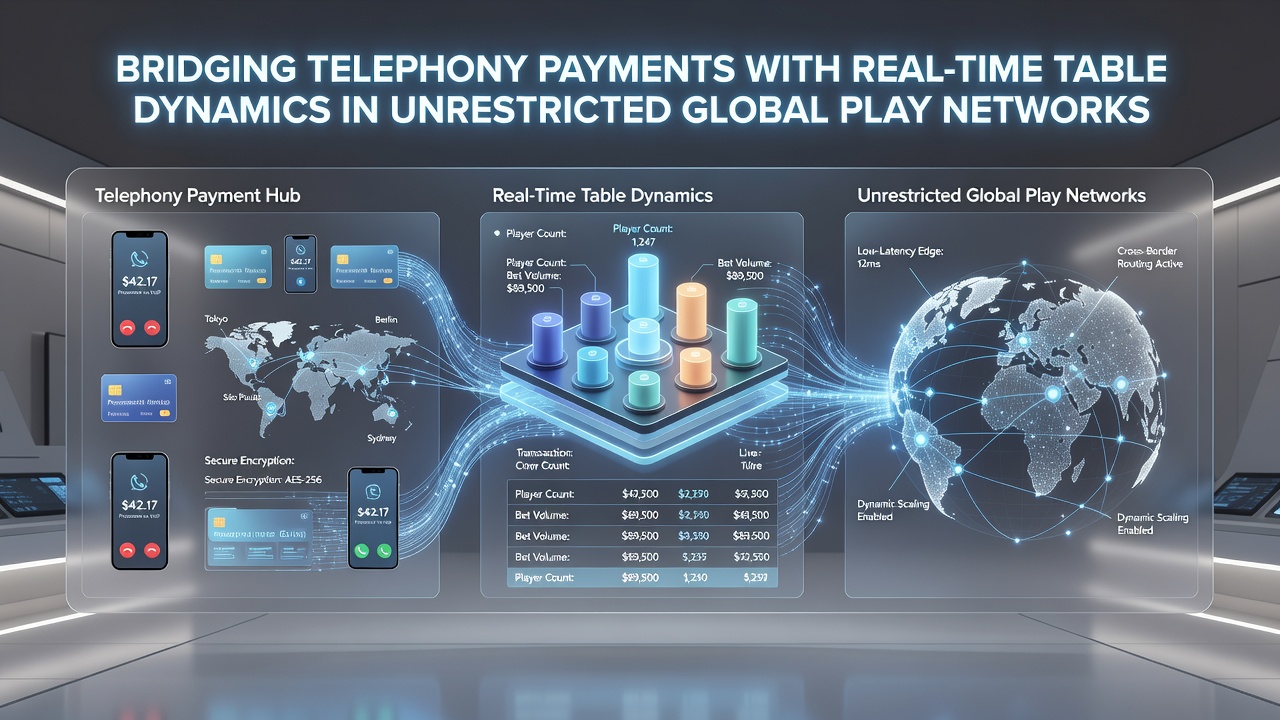
Telephony billing connects a player's mobile account to gaming wallets through carrier APIs that process micro-transactions in seconds. When applied to real-time table dynamics, the payment confirmation triggers immediate credit updates visible on dealer interfaces so sessions proceed without interruption. Observers note that platforms handling these flows often maintain separate ledgers for carrier settlements and in-game balances which helps reconcile high-volume activity across time zones. In June 2026 several networks reported expanded carrier partnerships that support additional currencies while preserving the same instant credit mechanisms for table participants.
Technical Flow in Unrestricted Environments
Global play networks that operate without localized licensing restrictions typically route telephony authorizations through multiple redundant servers positioned in different regions. This setup reduces latency when a deposit must appear on a live blackjack or roulette table within the same second that a player places a bet. Engineers at these operators use event-driven architectures where payment events publish directly to game engines and trigger visual confirmations for dealers and participants alike. Research from the International Association of Gaming Regulators shows that similar architectures have reduced average transaction times by measurable margins in cross-border deployments compared with earlier card-based methods.
Regional Adoption Patterns Through Mid-2026
Networks serving players from Asia-Pacific markets have paired telephony options with live baccarat tables where real-time commission calculations update after each hand. European operators outside strict national frameworks have extended the same approach to poker rooms that stream multiple tables simultaneously. Figures from the Asia-Pacific Gaming Association reveal that carrier billing volumes in these segments rose steadily through the first half of 2026 while average session lengths remained consistent with prior periods. Platforms in Latin American corridors have followed comparable patterns linking local mobile carriers to Spanish-language dealer tables that adjust minimum bets dynamically based on player counts.
One documented case involves a network that synchronized carrier payments with multi-table tournaments so entrants could top up balances between rounds without leaving the stream. The same network reported that settlement files exchanged nightly with carriers maintained accuracy rates above 99 percent according to internal audits shared with partner organizations. Those who've examined the data note that latency spikes occur mainly during regional peak hours yet rarely exceed thresholds that would interrupt dealer pacing.
Data Handling and Settlement Processes
Settlement between gaming operators and mobile carriers follows standardized protocols that batch transactions at fixed intervals while posting provisional credits to player accounts immediately. This dual-track method supports continuous table play while final reconciliation occurs through secure financial channels. Reports compiled by the Canadian Gaming Association indicate that operators using these protocols have maintained compliance records across multiple carrier agreements even when serving users from jurisdictions with differing tax treatments. In June 2026 updated API versions introduced by several carriers included enhanced fraud detection layers that scan for irregular patterns before authorizing larger deposits tied to live table sessions.
Security Measures in Synchronized Systems
Encryption standards applied to telephony authorizations match those used for game-state transmissions so that balance changes remain protected throughout the session lifecycle. Multi-factor verification steps at the carrier level combine with session tokens issued by the gaming platform to create overlapping checks that reduce unauthorized access. Analysts at research institutions focused on digital payments have documented that these layered approaches have lowered dispute rates in environments where players switch between multiple live tables rapidly.
Future Infrastructure Developments
Engineers continue to refine the handoff between carrier billing systems and live dealer software so that table limits can adjust automatically when a player’s available balance changes mid-round. Pilot programs running in 2026 test predictive load balancing that anticipates deposit surges during major sporting events tied to in-game promotions. External data from the Singapore Infocomm Media Development Authority highlights that similar infrastructure investments in regional hubs have supported higher concurrent user counts without extending average wait times for dealer responses.
Those monitoring these networks observe that the core requirement remains stable connectivity between mobile carriers and game servers regardless of where the physical tables or players are located. Continued expansion of supported carriers and currencies is expected to maintain the same real-time synchronization principles that define current operations.
Conclusion
Integration of telephony payments with live table dynamics has produced operational models that prioritize speed and continuity across unrestricted global networks. The patterns established through 2026 demonstrate consistent technical approaches that link carrier authorizations directly to dealer interfaces while preserving settlement accuracy. As carrier partnerships and API capabilities advance, the same frameworks are positioned to accommodate further growth in concurrent table activity worldwide.