Decoding Financial Pathways in Mobile Billing Networks for Cryptocurrency Slot Ecosystems Worldwide
Quinn Zimmermann · Jun 14, 2026
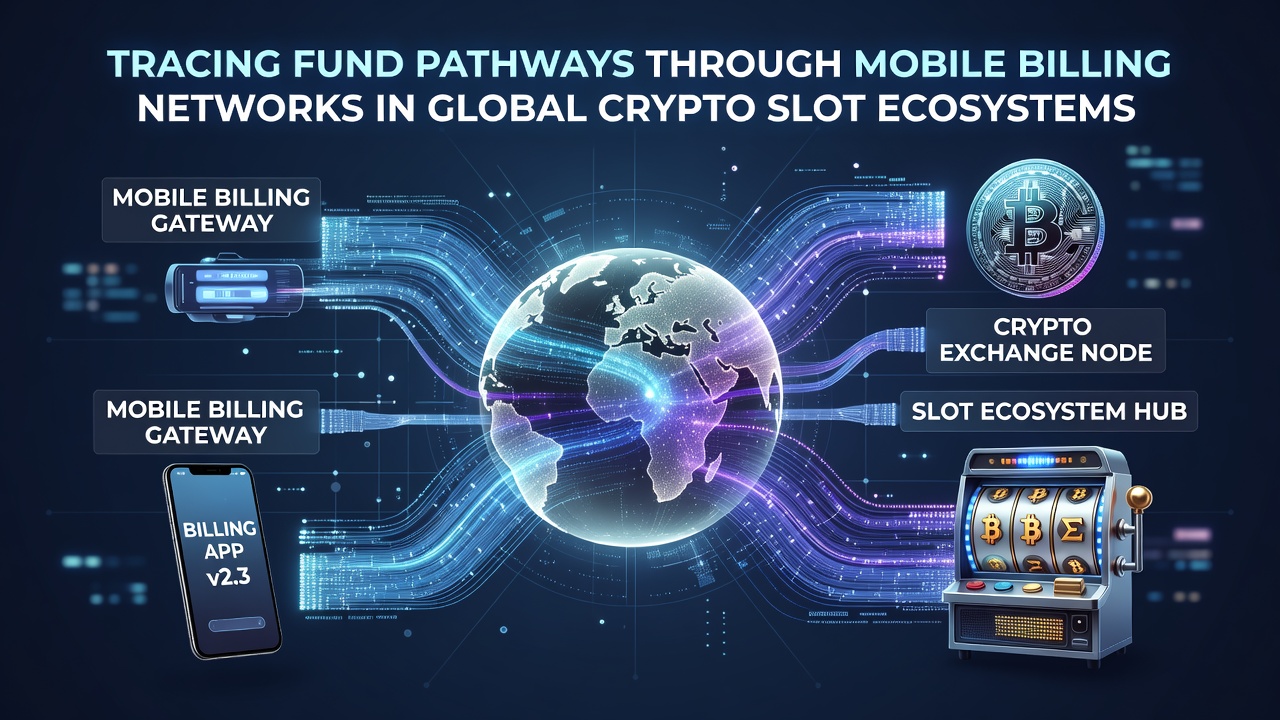
Decoding Financial Pathways in Mobile Billing Networks for Cryptocurrency Slot Ecosystems Worldwide
Financial trails in global crypto slot operations often begin with carrier billing systems that connect mobile users directly to digital wallet infrastructures, and these pathways create layered transaction records that span telecommunications providers, payment processors, and blockchain ledgers. Observers note that such integrations allow deposits to move from phone accounts into cryptocurrency holdings within seconds, while subsequent spins on slot platforms generate additional data points across multiple jurisdictions. Data from industry reports indicate that mobile billing accounts for a growing share of funding sources in offshore gaming environments, especially where traditional banking channels face restrictions.
Core Mechanisms of Carrier Billing Integration
Mobile network operators serve as initial gateways when players select phone bill deposits, and funds travel through aggregated billing platforms before conversion into stablecoins or other digital assets occurs at partner exchanges. This process involves API handoffs between telecom systems and crypto services, whereas each step logs identifiers such as device IMEI numbers alongside transaction hashes on distributed ledgers. Researchers at institutions focused on payment technologies have documented cases where these handoffs occur across borders, creating composite records that combine cellular metadata with blockchain timestamps. In June 2026 several operators expanded partnerships with crypto gateways in response to rising demand for instant funding options in slot ecosystems.
Tracing Multi-Layer Transaction Routes
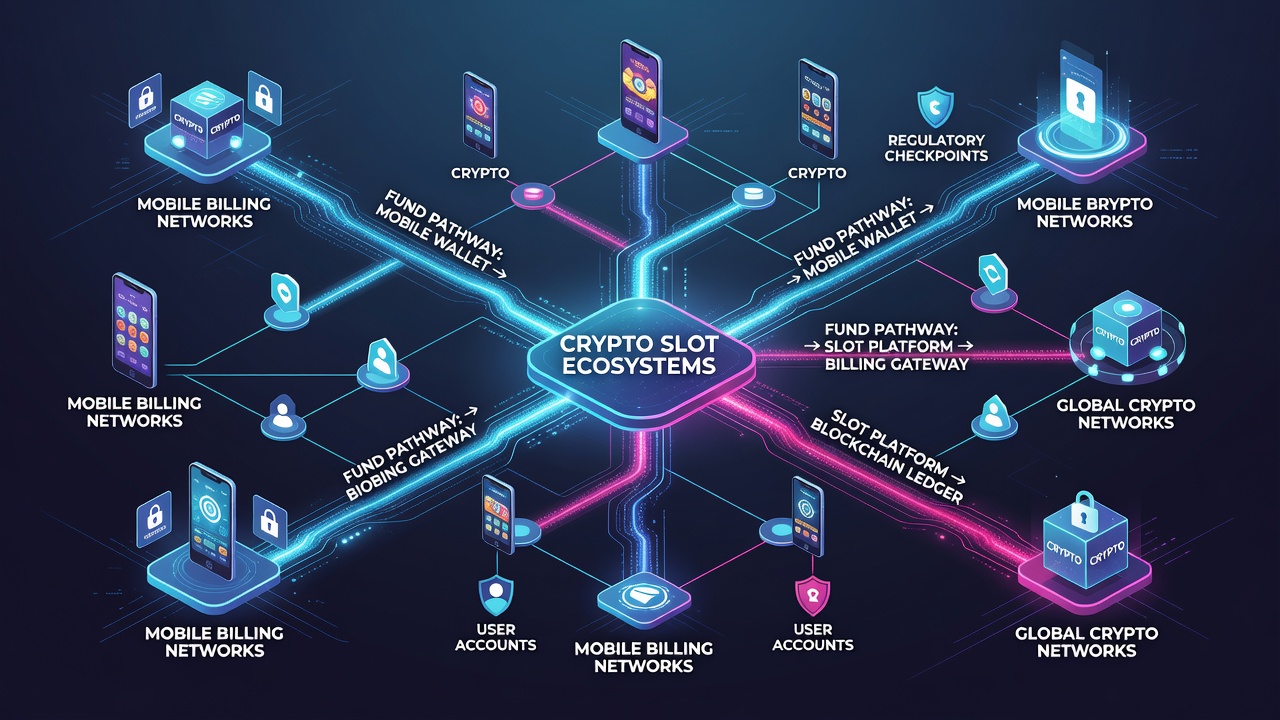
Once converted, cryptocurrency moves from exchange wallets into gaming platform accounts, and each transfer leaves immutable entries on public chains that analysts can cross-reference with carrier logs. Those who've examined these flows point out that obfuscation tools sometimes enter the picture during the exchange phase, yet raw billing data from the originating mobile provider often remains intact for regulatory review. International bodies including the Bank for International Settlements have published analyses of similar payment convergences, highlighting how carrier records provide anchor points even when crypto mixing occurs downstream. What's significant is the persistence of telecom metadata through the entire sequence, allowing reconstruction of pathways that begin with a simple text confirmation and end at a slot reel outcome.
Global Network Participants and Data Points
Telecom carriers in Europe, Asia, and Latin America participate in these ecosystems through direct billing agreements, while crypto liquidity providers handle the asset conversion layer. Observers note that transaction volumes in these corridors increased notably during 2025, with mobile-originated crypto deposits appearing in reports from multiple regions. A study released by the International Telecommunication Union examined mobile financial services across developing markets and found that carrier billing reduces friction for users in areas with limited banking access, and similar patterns appear in crypto slot contexts where players seek rapid entry without card verification. Each pathway typically generates at least three distinct data sets: the initial SMS authorization record, the exchange ledger entry, and the on-chain movement to the gaming operator.
Analytical Tools and Cross-Border Challenges
Specialized software platforms now combine telecom API queries with blockchain explorers to map these routes, and analysts use them to identify patterns such as repeated funding from the same device across different operators. Yet cross-border data sharing agreements vary widely, so complete reconstruction sometimes requires coordination between entities in separate regulatory zones. According to findings from academic research on digital finance, latency between billing authorization and blockchain confirmation can range from under ten seconds to several minutes depending on network congestion. People who've studied these systems report that timing discrepancies themselves become useful markers when verifying whether a particular deposit reached its intended gaming account.
Regulatory Visibility and Record Retention
Authorities in various jurisdictions require operators to retain both billing and blockchain records for set periods, and this dual requirement supports audits that trace funds from mobile origination through final disbursement. In June 2026 certain Asian markets introduced updated guidelines on digital asset reporting that explicitly reference carrier billing trails, prompting platforms to enhance logging practices. External audits conducted by independent firms often sample random transaction sets to confirm that mobile-originated funds follow documented routes rather than entering through unmonitored channels. The resulting compliance documentation provides regulators with verifiable links between individual phone numbers and specific crypto wallet addresses used in slot play.
Conclusion
Tracing fund pathways through mobile billing networks in global crypto slot ecosystems relies on the intersection of telecommunications records, exchange ledgers, and blockchain data, while each component supplies distinct identifiers that together form a traceable sequence. Observers note that continued expansion of these payment methods will likely increase the volume of available data points for analysis, and organizations such as the Bank for International Settlements continue to publish frameworks that assist in understanding these convergences across regions. The combination of carrier metadata with on-chain transparency creates opportunities for detailed reconstruction even as platforms evolve their operational structures.