Mobile Carrier Billing Emerges as Key to Crypto-Enabled Live Dealer Experiences Across Offshore Platforms
Cameron Krause · Jul 14, 2026
Mobile Carrier Billing Emerges as Key to Crypto-Enabled Live Dealer Experiences Across Offshore Platforms
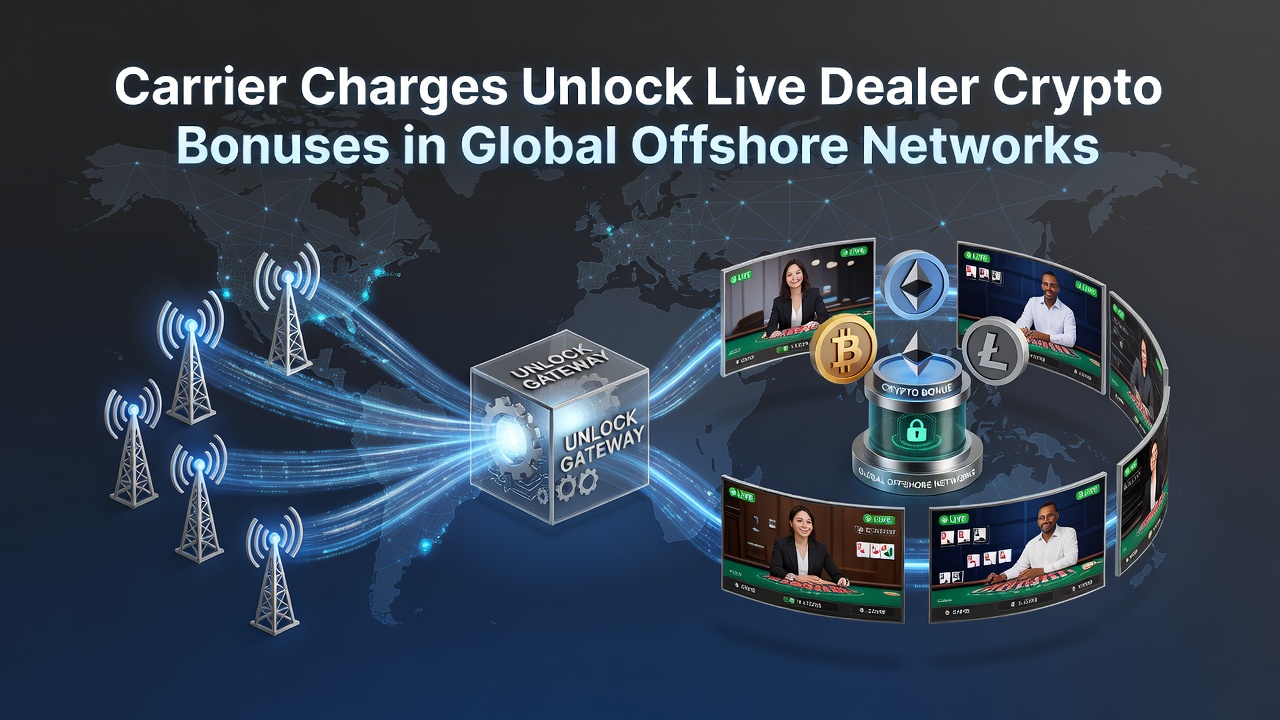
Global offshore networks have integrated carrier charges with crypto systems to facilitate access to live dealer bonuses, and this approach has gained traction among operators in jurisdictions outside traditional regulatory frameworks. Data from industry reports shows that mobile billing options allow players to fund accounts directly through phone carriers while converting those deposits into cryptocurrency holdings that unlock specific promotional rewards tied to live dealer tables.
Integration Patterns in Offshore Environments
Operators in regions such as the Caribbean and parts of Southeast Asia have adopted hybrid payment models where carrier charges serve as the entry point for crypto wallets. These models route funds through established telecom partners before converting balances into digital assets like Bitcoin or stablecoins, and the conversion step triggers eligibility for live dealer bonuses that include matched deposits or free spins on table games. Research from academic institutions tracking digital finance trends indicates that such integrations reduce friction in cross-border transactions while maintaining compliance with local telecom regulations.
Payment Flow Mechanics
Players initiate a deposit by selecting the carrier charge option on a platform interface, which then processes the amount through the mobile provider's billing system before the funds appear as cryptocurrency in the user's account. This sequence enables immediate qualification for bonuses reserved for live dealer sessions, and the process typically completes within minutes rather than requiring separate bank or wallet transfers. Observers note that platforms emphasize this route because it bypasses certain verification layers common in conventional banking channels, although core identity checks may still apply depending on the jurisdiction.
Bonus Structures Tied to Crypto Conversions
Live dealer crypto bonuses in these networks often take the form of percentage matches on converted deposits or fixed credit amounts released after the first carrier-funded transaction. Figures from market analyses reveal that bonus values frequently range between 50 and 150 percent of the initial amount, with wagering requirements attached to live dealer games such as blackjack, roulette, and baccarat. The conversion from carrier charge to crypto serves as the trigger point, and platforms track these transactions through automated ledgers that release the promotional funds once the digital asset settles in the player wallet.
Regional Variations in Adoption
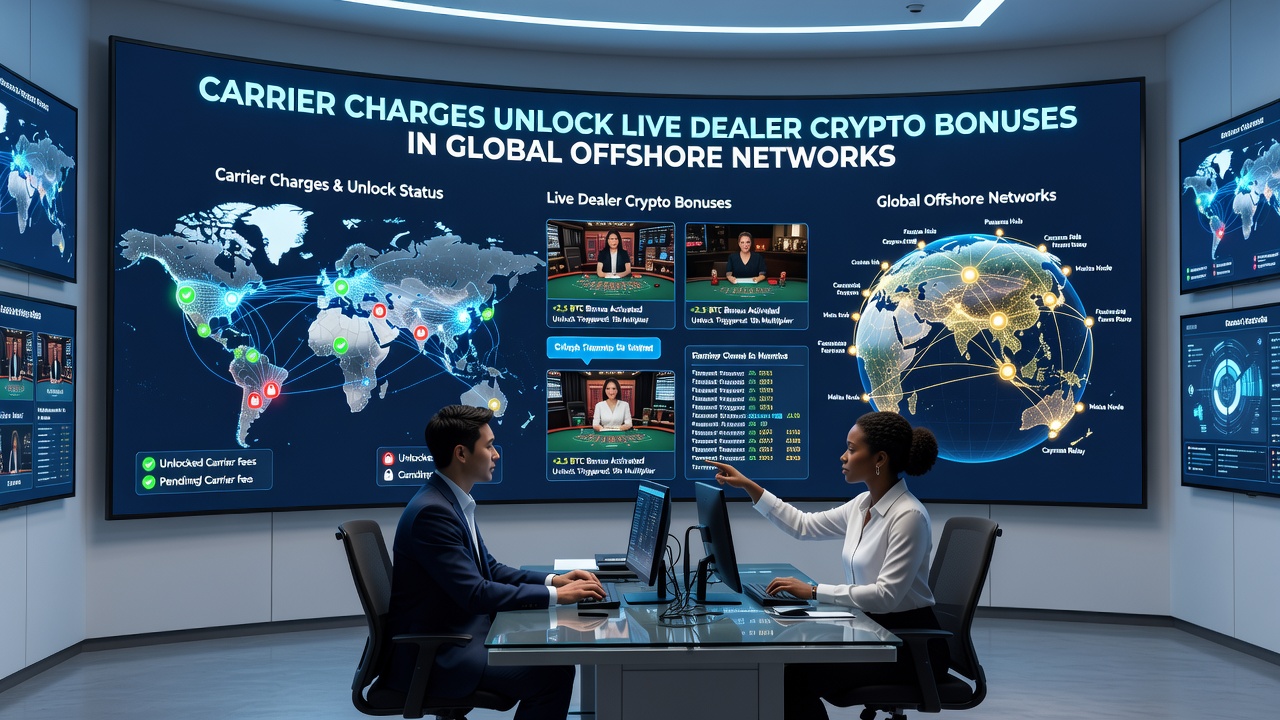
Networks operating from Malta and Curacao have documented higher volumes of carrier-to-crypto flows compared with earlier years, and reports compiled by the European Gaming and Betting Association highlight steady growth in these payment pairings through mid-2026. In contrast, operators based in certain Asian offshore hubs have focused on stablecoin conversions to minimize volatility during the bonus unlock phase. Those who've examined transaction data across multiple sites find that live dealer tables receive a disproportionate share of these funded bonuses, as the real-time interaction format aligns with player preferences for immediate engagement after deposit.
Regulatory Context and July 2026 Developments
By July 2026, several offshore licensing bodies had updated guidelines around digital asset handling in gambling environments, and these updates clarified how carrier charges could interface with crypto systems without triggering additional reporting thresholds. A study published by researchers at the University of Nevada's gaming research center examined similar frameworks and found that clear separation between telecom billing and crypto conversion steps helped platforms maintain operational continuity. Data indicates that such clarifications coincided with increased player activity on live dealer tables, where bonuses funded through carrier routes became more visible in promotional campaigns.
Industry organizations tracking global trends report that the combination of carrier billing and crypto has expanded the reach of live dealer offerings into markets where traditional payment rails face restrictions. This expansion occurs because mobile carriers often operate under separate regulatory umbrellas from financial services, and the resulting pathway allows operators to serve regions with limited banking access for gambling-related transfers. What's notable is the consistency of bonus release timing across different networks, which relies on standardized crypto settlement protocols rather than manual approvals.
Security and Transaction Monitoring
Platforms employing these methods incorporate layered encryption for both the carrier billing handshake and the subsequent crypto wallet transfer, and external audits by independent firms have verified that transaction logs remain intact for compliance purposes. Those monitoring the sector observe that fraud detection algorithms flag unusual patterns in carrier charge volumes before the crypto conversion occurs, which helps preserve the integrity of live dealer bonus pools. Evidence suggests that the dual-layer approach reduces certain categories of chargeback disputes compared with direct card funding, although results vary by operator implementation.
Player Experience Factors
Users who route deposits through carrier charges report shorter wait times before accessing live dealer tables, and the automatic crypto conversion step often includes a visible bonus credit notification within the platform dashboard. This notification appears once the digital asset balance confirms, and it details the specific live dealer games eligible for the promotional play. Market data compiled through 2026 shows that repeat usage of this payment path correlates with higher session lengths on interactive dealer tables, as the seamless funding reduces interruptions between deposits and gameplay.
Conclusion
Carrier charges continue to serve as an established bridge to crypto-funded live dealer bonuses within global offshore networks, and the mechanisms supporting these flows have matured alongside evolving digital asset standards. Information from regulatory updates and transaction analyses demonstrates consistent patterns in how telecom billing integrates with wallet conversions to unlock promotional rewards. As networks refine these pathways, live dealer offerings remain a central focus for operators seeking to maintain engagement across diverse player bases.