Mobile Carrier Plans Expand Reach to International Casino Slots and Dealer Encounters
Quinn Zimmermann · Jun 2, 2026
Mobile Carrier Plans Expand Reach to International Casino Slots and Dealer Encounters
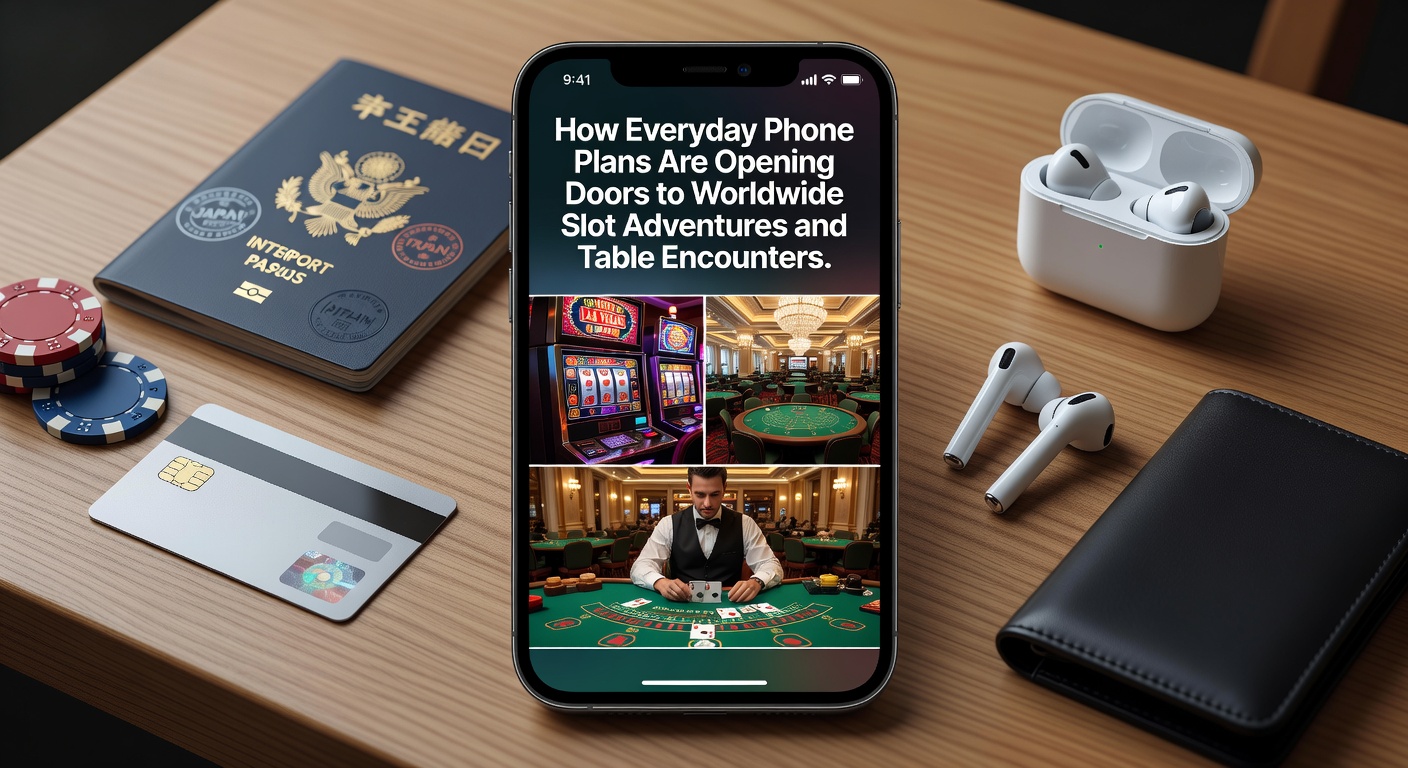
Standard mobile subscriptions now integrate directly with payment systems that route funds to casino platforms operating across multiple jurisdictions, and this setup supports both digital reel spins and live dealer sessions without requiring separate banking apps or cards. Carrier billing processes handle small to medium transactions through monthly phone statements, which streamlines entry for users who prefer consolidated billing cycles over repeated card authorizations.
Carrier Billing Mechanics in Global Gaming Contexts
Telecom providers in various regions process microtransactions that feed into offshore casino accounts, and operators partner with these networks to accept deposits that appear as standard service charges on user invoices. Research from the Australian Communications and Media Authority shows carrier billing volumes for digital entertainment services grew steadily through 2025, with gaming categories contributing a measurable share of that expansion. Players select the phone bill option at checkout, confirm via SMS code, and funds transfer within minutes, bypassing traditional financial rails in many cases.
Systems also accommodate cryptocurrency conversions at the point of deposit, where the carrier charge converts to stablecoins or tokens that load instantly into player wallets on the casino side. This hybrid flow reduces friction for those accessing tables hosted in regions with lighter verification rules, and transaction logs remain tied to the phone account rather than exposing separate banking details.
Slot Game Accessibility Through Routine Phone Payments
International slot titles become reachable once the billing link activates, and developers release new titles monthly that accept these payment streams from carriers in Europe, Asia, and the Americas. Data compiled through June 2026 from industry tracking services indicates that mobile-originated deposits account for an increasing percentage of total wagers on multi-jurisdiction reel platforms, particularly during promotional periods that align with billing cycles.
Users encounter themed adventures and progressive jackpots that update in real time across time zones, while the phone plan handles the funding layer without additional verification layers in certain offshore setups. Observers note that this method supports spontaneous play sessions because the authentication already exists within the mobile network infrastructure.
Live Table Interactions Enabled by the Same Infrastructure
Live dealer environments connect through the identical carrier pathways, and players join blackjack, roulette, or baccarat streams hosted from studios in multiple countries. The billing system deducts the buy-in amount directly, which then appears as a line item on the next phone statement alongside regular usage fees.
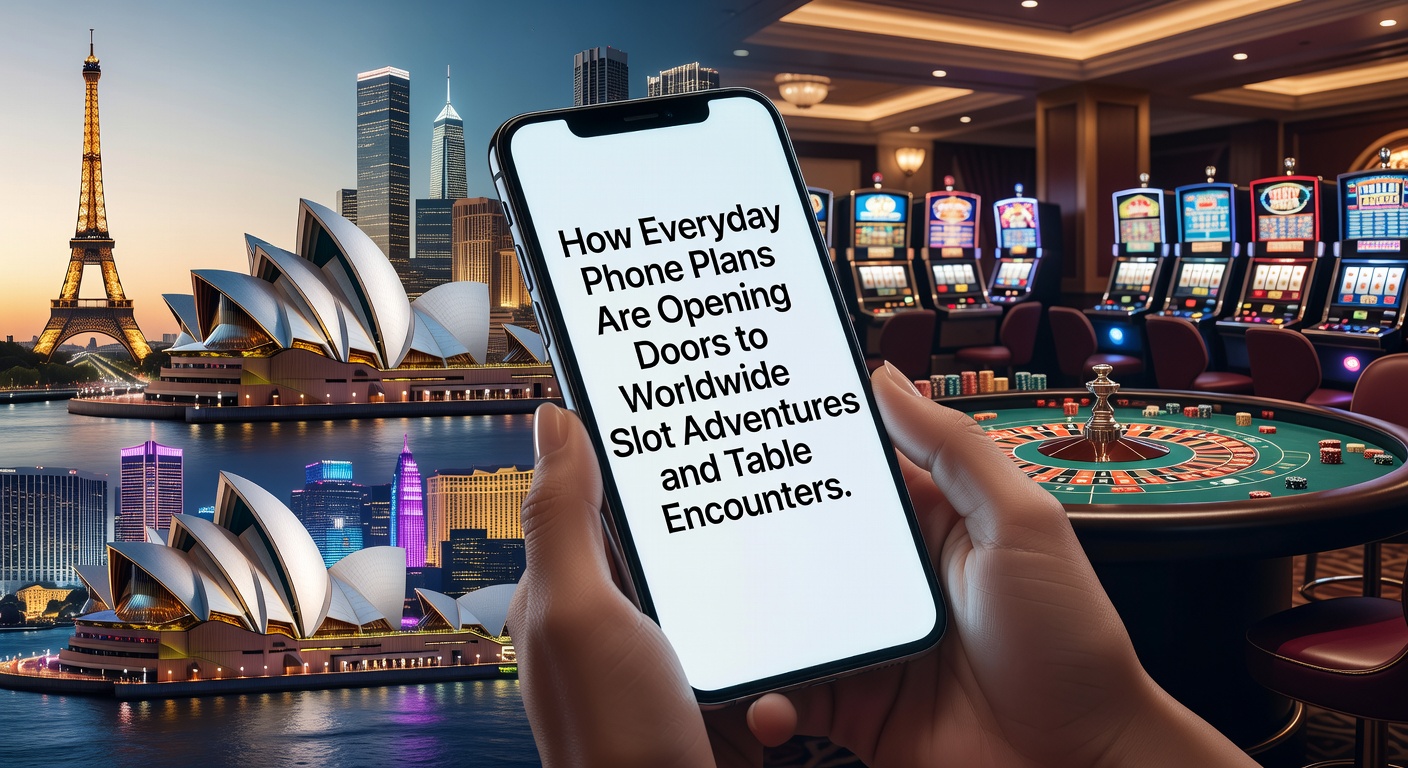
Software providers integrate APIs that confirm the carrier transaction before seating the participant at the virtual felt, and this process maintains session continuity even when users switch between mobile data and Wi-Fi. Figures released by Statistics Canada in early 2026 highlight rising adoption of telecom-based payments for interactive entertainment, including real-time table formats that require stable funding channels.
Regional variations exist, with some carriers imposing daily limits on gaming-related charges while others apply standard data or voice plan caps that encompass these activities. Those limits influence session length and table selection, yet the underlying connection between phone plans and global dealer rooms continues to widen.
Regulatory and Network Developments Shaping Access
Telecom regulators in several countries have updated guidelines on third-party billing services, which in turn affects how casino operators structure their deposit options. The European Commission’s 2025 review of digital payment ecosystems included sections on entertainment billing that reference gaming use cases, and these updates encourage clearer disclosure of charges on user statements.
Network operators meanwhile test faster reconciliation protocols that shorten the time between carrier authorization and casino wallet credit, and this technical refinement supports higher-volume table play without extended wait periods. Partnerships between billing aggregators and casino groups further standardize the experience across different phone brands and operating systems.
Conclusion
Everyday mobile subscriptions function as entry points to slot libraries and live dealer environments distributed worldwide, with carrier billing acting as the connective mechanism. Continued infrastructure improvements and evolving payment regulations will determine how these pathways develop beyond the patterns observed through mid-2026, while users rely on existing phone plans to manage participation across borders.