Mobile Infrastructure Networks Facilitating Anonymous Worldwide Access to Casino Attractions in Open Zones
Erik Werner · Jun 4, 2026
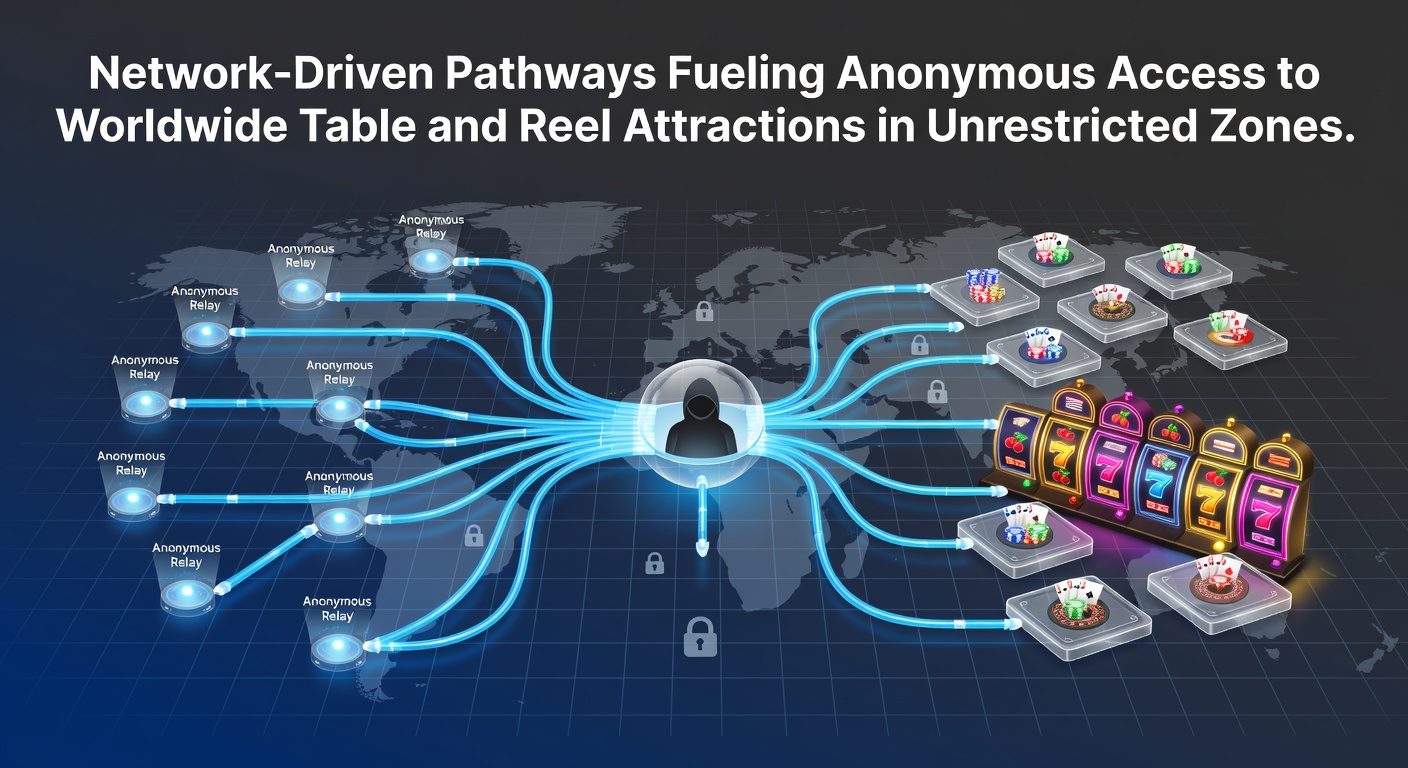
Mobile Infrastructure Networks Facilitating Anonymous Worldwide Access to Casino Attractions in Open Zones
Telecommunications carriers have expanded their billing systems and data routing capabilities to connect users directly with international gaming platforms that operate without identification requirements, and this development has accelerated through 2026 as network providers in multiple regions integrated new payment pathways. Data from industry reports shows carrier billing volumes for entertainment services grew steadily between 2024 and 2026, with particular strength in jurisdictions where local rules permit offshore platform connections.
Network operators in Asia and Latin America have established direct links between mobile accounts and gaming servers located in territories that maintain minimal oversight, allowing seamless transfers that bypass traditional banking channels. Researchers tracking digital payment flows noted that these connections rely on encrypted routing protocols and localized data centers positioned near unrestricted zones, which reduces latency while maintaining transaction anonymity.
Carrier Systems and Routing Protocols
Modern mobile networks utilize session initiation protocols combined with real-time billing interfaces to authorize access to table games and reel platforms hosted in open jurisdictions, and these systems handle millions of micro-transactions daily without requiring user verification documents. Studies conducted by academic institutions in Canada have documented how carrier-grade network address translation masks individual device identifiers during connection handshakes, which supports anonymous entry into dealer tables and slot environments.
Observers tracking infrastructure upgrades report that several major Asian carriers completed backbone enhancements in early 2026, enabling faster packet delivery to servers situated in regions with limited regulatory frameworks. These upgrades incorporate load-balancing technologies that distribute traffic across multiple offshore endpoints, maintaining stable connections even during peak usage periods.
Global Data Patterns in June 2026
Figures compiled by trade associations reveal that anonymous gaming traffic routed through carrier networks reached new monthly highs in June 2026, particularly in corridors connecting Southeast Asian users to platforms based in Caribbean and Central American territories. Network analytics tools captured increased session durations for live dealer interactions and automated reel sequences, with average connection times extending beyond previous quarters.
European research groups analyzing cross-border data streams identified consistent patterns where mobile billing identifiers replaced conventional payment credentials, allowing participants in lightly regulated markets to engage with international offerings. This shift aligns with broader adoption of 5G small-cell deployments that improve signal reliability in remote unrestricted areas.

Payment Integration Mechanisms
Direct carrier billing interfaces now interface with cryptocurrency settlement layers that operate independently of traditional financial rails, and this hybrid approach has gained traction in zones where conventional gateways face restrictions. Reports from Australian regulatory bodies indicate rising volumes of mobile-initiated transfers that settle through decentralized ledgers hosted in permissive jurisdictions.
Those monitoring transaction metadata observe that network-driven authentication occurs at the carrier level rather than at the platform endpoint, which removes the need for account creation steps that typically involve identity checks. This architecture supports continuous play sessions across both live table environments and automated reel systems without interruption from verification prompts.
Regional Infrastructure Variations
Network providers in North American border regions have deployed specialized routing agreements with offshore data hubs, while counterparts in Oceania focus on satellite-linked extensions that reach island-based gaming servers. Data collected by university-led projects demonstrates measurable differences in latency profiles depending on the carrier's peering arrangements with international exchanges.
Traffic analysis conducted through mid-2026 shows elevated activity from Latin American mobile networks toward platforms located in jurisdictions maintaining open licensing models. These flows utilize encrypted tunnels established at the network core, preserving user privacy throughout the connection lifecycle.
Conclusion
Network infrastructure continues to evolve as the primary conduit for anonymous participation in worldwide table and reel attractions located within unrestricted territories, with carrier billing and routing advancements sustaining growth observed through June 2026. Industry data and academic findings confirm that these pathways operate through established technical standards rather than isolated innovations, creating scalable access points across diverse geographic corridors.