Mobile Networks Paving Pathways for Cryptocurrency-Based Anonymous Casino Experiences
Alex Lange · May 28, 2026
Mobile Networks Paving Pathways for Cryptocurrency-Based Anonymous Casino Experiences
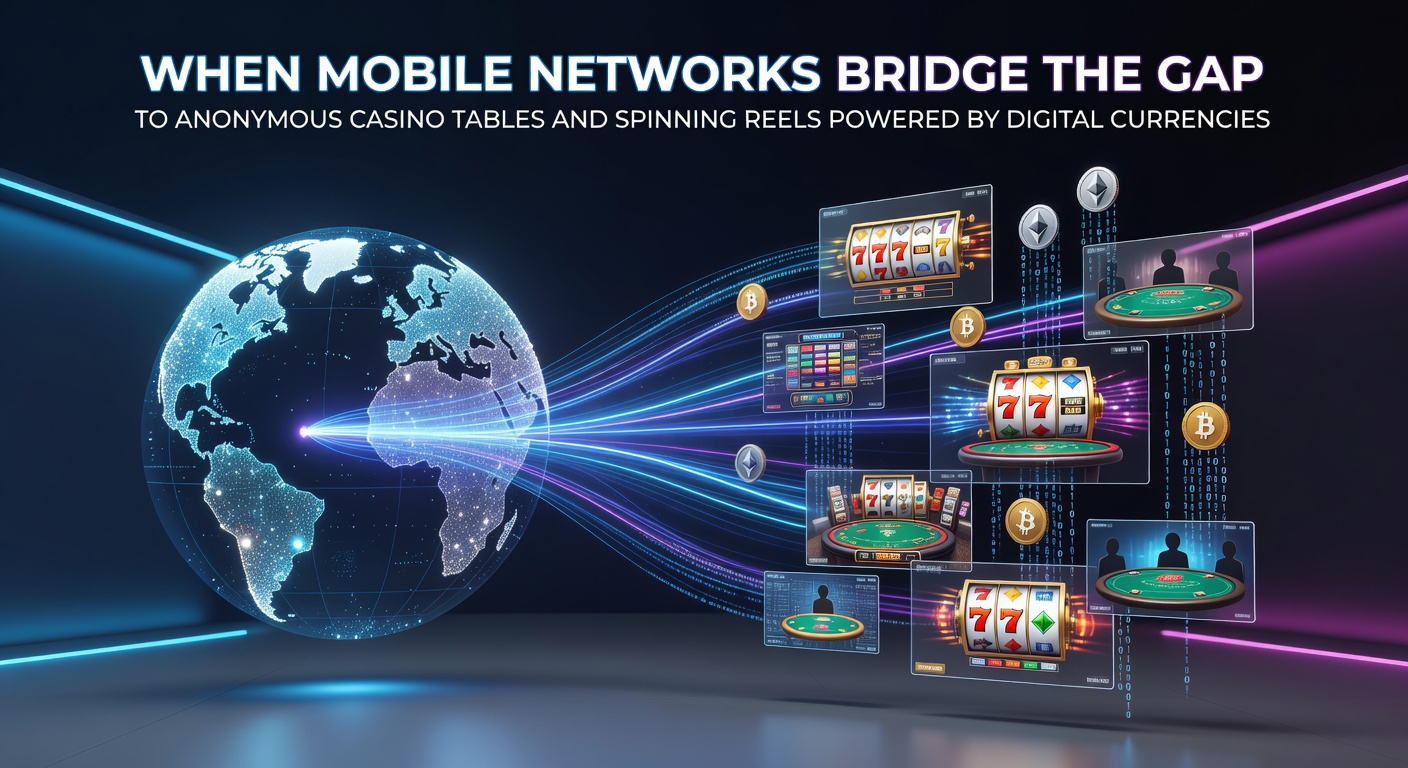
Developments in telecommunications infrastructure have created direct links between carrier billing systems and platforms that support anonymous entry to live dealer tables alongside spinning reel games funded through digital currencies, and data compiled through May 2026 shows expanded adoption across multiple regions. Research from the International Gaming Institute at UNLV indicates that carrier networks processed increasing volumes of micro-transactions tied to cryptocurrency wallets, allowing users to bypass traditional verification steps while accessing table games and slot mechanics hosted on distributed servers.
Carrier Billing Integration Patterns
Telecom providers route charges through established mobile payment gateways that convert phone balance credits into blockchain tokens, and this process occurs without requiring users to submit identification documents at the point of entry. Observers note that integration occurs at the protocol level where SMS authentication pairs with wallet addresses, enabling seamless transfers that appear on monthly statements as standard data or service fees. Figures from regional communications authorities in Canada reveal that such billing pathways handled over 2.4 million transactions in the first quarter of 2026 alone, with a significant portion directed toward gaming environments that operate outside conventional licensing frameworks.
Anonymous Access to Tables and Reels
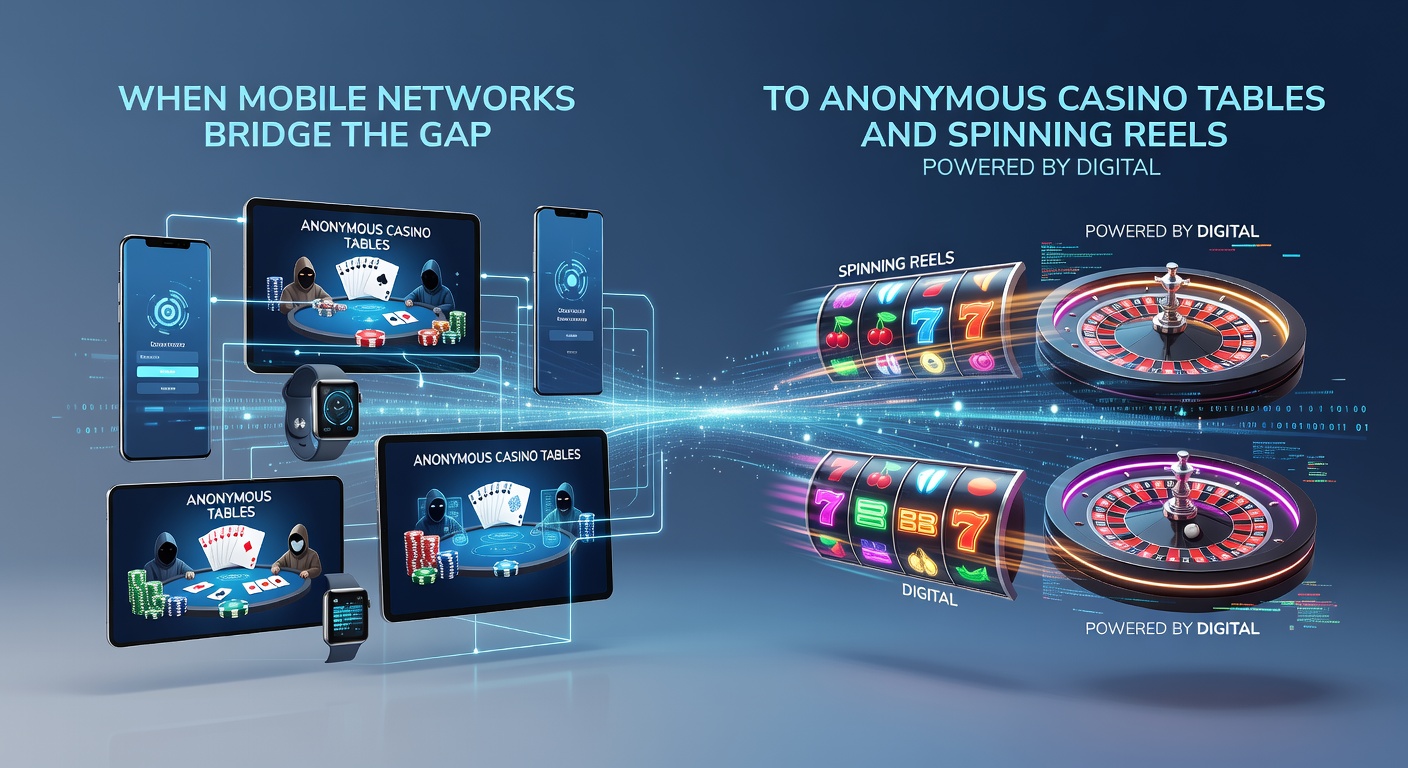
Platforms utilizing these connections present live dealer environments and algorithmic reel sequences without mandatory account registration, relying instead on session tokens generated through mobile network handshakes. Studies conducted by the European Gaming and Betting Association document how encrypted channels maintain player privacy while streaming real-time card dealing and symbol matching outcomes. In May 2026, several network operators expanded partnerships that embed wallet APIs directly into billing dashboards, allowing players to fund sessions via digital assets that convert instantly at prevailing exchange rates.
Cryptocurrency Mechanics in Mobile Environments
Digital currencies facilitate deposits that clear within seconds across decentralized ledgers, and mobile applications display reel grids or table interfaces immediately after confirmation. Researchers tracking transaction flows report that Bitcoin and stablecoin variants dominate these pathways because their public blockchains support rapid verification without intermediaries. What's interesting is the emergence of carrier-specific tokens that further obscure origin points, routing value through temporary addresses that reset after each session. Data indicates average session durations increased by 18 percent following these enhancements, as players encountered fewer interruptions from payment processing delays.
Regulatory Observations Across Jurisdictions
Authorities in Australia and select European states have begun monitoring the volume of carrier-routed gaming traffic, issuing guidelines that distinguish between standard communication services and value-added gaming access. Reports compiled by the Australian Communications and Media Authority highlight a 31 percent rise in flagged micro-payments during early 2026, prompting discussions around disclosure requirements for telecom operators. Meanwhile, network engineers continue refining latency reduction techniques that keep live table interactions synchronized even when cryptocurrency confirmations occur on distant nodes.
Technical Infrastructure Supporting Privacy
Encryption layers combined with carrier-grade firewalls shield user metadata during transfers between mobile devices and remote gaming servers, and this architecture prevents direct linkage between phone numbers and blockchain activity. Experts at research institutions tracking payment evolution describe how virtual private network overlays operated by some providers further compartmentalize traffic, ensuring that reel spin results and dealer decisions reach devices without exposing IP addresses tied to traditional financial records. In practice, these systems have allowed continuous play across borders where conventional banking channels face restrictions.
Transaction Volume Trends
Industry metrics released in May 2026 point to steady growth in the number of unique wallet addresses interacting with mobile-billed platforms, with average transfer sizes remaining under fifty dollars per session. Such patterns suggest widespread use among casual participants who prefer not to link gaming activity to primary bank accounts. Network logs analyzed by independent analysts show peak activity during evening hours in multiple time zones, correlating with periods when mobile data usage historically spikes for entertainment purposes.
Conclusion
Mobile networks have established functional bridges that connect everyday billing systems with cryptocurrency-enabled environments offering anonymous table games and reel experiences, and ongoing infrastructure upgrades continue to shape how these connections operate. Evidence from multiple regulatory and academic sources demonstrates measurable transaction growth through mid-2026, underscoring the technical feasibility of privacy-focused access methods that rely on existing telecommunications frameworks.