Non-GamStop Slot Platforms: Regulatory Variations and Player Access in Global Markets
Cameron Krause · Jun 23, 2026

Non-GamStop Slot Platforms: Regulatory Variations and Player Access in Global Markets
Non-GamStop online slots operate through platforms that function outside the UK self-exclusion register known as GamStop, and these sites draw players from multiple jurisdictions where local rules permit access to international operators. Data from industry tracking services shows that such platforms often feature games supplied by providers licensed in places like Malta or Curacao, while players encounter different verification standards compared to UK-regulated environments. Observers note that this setup creates distinct access patterns because operators do not connect to the central UK exclusion database.
Regulatory Contexts Across Regions
Multiple countries maintain their own oversight bodies that shape how slot platforms handle player registration and game offerings. In Canada, provincial authorities set separate standards for online gaming, and operators serving international audiences sometimes align with those frameworks without linking to UK systems. Research from the National Council on Problem Gambling indicates that cross-border play continues to grow as technology allows seamless connections between servers located in different regulatory zones. Players in Australia encounter similar dynamics through state-based rules administered by bodies such as the Australian Communications and Media Authority, where offshore sites remain reachable even when local exclusion tools apply.
June 2026 marks a point where several jurisdictions plan updates to remote gambling taxes and licensing fees. Those adjustments could influence how operators structure bonus offers and game portfolios for users who choose non-GamStop routes. Figures from market analysts reveal that slot titles with progressive jackpots and themed mechanics remain popular across these environments because providers update content regularly to match shifting player preferences.
Game Features and Technical Aspects
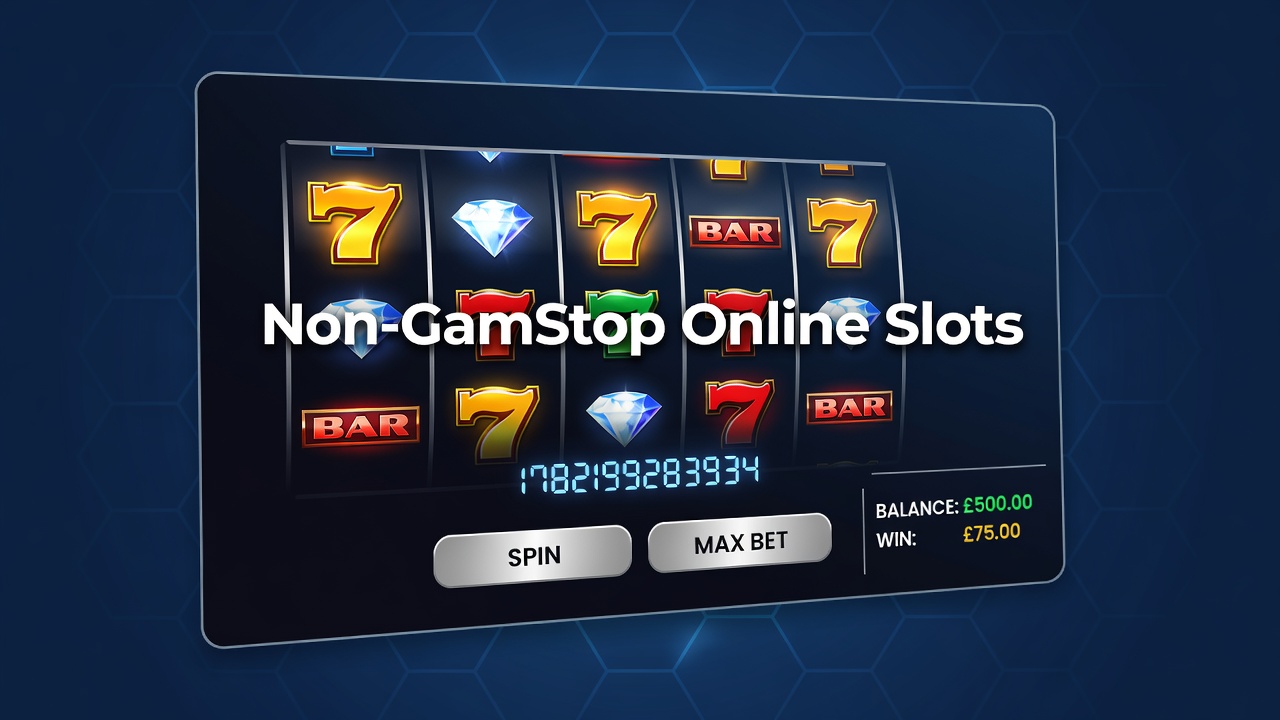
Slot software on these platforms typically includes random number generators certified by independent testing labs, and many titles support mobile play through HTML5 technology. Developers release updates that incorporate new mechanics such as cascading reels or multiplier systems, and these changes appear on sites that do not require UK self-exclusion checks. Data shows average return-to-player percentages hover between 95 and 98 percent for many popular releases, though exact figures depend on the specific game and operator settings.
Payment methods accepted by such sites often include traditional bank transfers alongside digital wallet options, and transaction speeds vary based on the chosen method and operator policies. Studies from academic researchers at institutions focused on gambling studies have examined how interface design elements like autoplay functions and sound effects affect session lengths, yet findings remain specific to individual player groups rather than broad generalizations.
Player Access Patterns and Market Data
Market reports compiled in late 2025 document steady interest in slots hosted on platforms outside standard UK exclusion lists, particularly among users who travel or maintain accounts across borders. One study revealed that session data from these environments shows similar patterns to regulated markets in terms of game selection, with classic fruit themes and video slots both maintaining steady engagement. Those who've examined transaction logs note that deposit limits and withdrawal processing times depend on individual operator terms rather than a single unified standard.
International industry associations track how licensing jurisdictions evolve, and their annual summaries highlight that operators based in multiple territories continue to expand game libraries to attract diverse audiences. Evidence suggests that players often compare software quality and payout histories when selecting sites, while regulatory changes scheduled for mid-2026 in several regions may prompt further adjustments in marketing approaches and compliance measures.
Conclusion
Non-GamStop online slots represent one segment of the broader international gaming landscape where regulatory differences create varied access options for players. Information from multiple oversight bodies and research organizations demonstrates that game availability, technical standards, and payment processing continue to develop alongside scheduled policy updates in 2026. Observers tracking these trends point to ongoing shifts in how platforms serve users across different geographic and regulatory boundaries.