Phone Billing Integrates Cryptocurrency Systems to Power Live Dealer Tables in International Mobile Platforms
Erik Werner · Jun 9, 2026
Phone Billing Integrates Cryptocurrency Systems to Power Live Dealer Tables in International Mobile Platforms
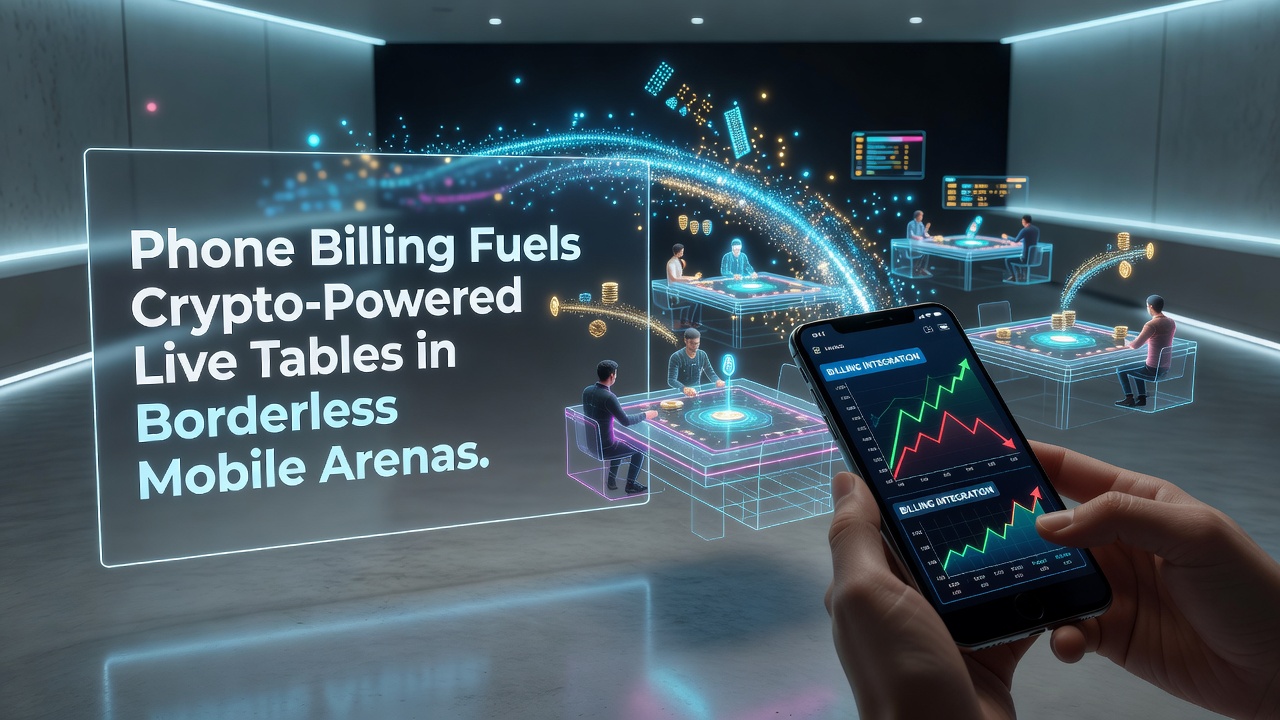
Phone billing systems now connect directly with cryptocurrency networks, and this combination supports live dealer tables that operate across multiple jurisdictions without traditional geographic restrictions. Mobile users deposit funds through carrier charges, while blockchain transactions handle withdrawals and table stakes in real time. Data from industry reports shows increased adoption of these methods in offshore environments during the first half of 2026.
Mechanics of Phone Billing in Mobile Gaming Environments
Carriers process deposits when players select phone billing at checkout, and amounts appear on monthly statements alongside standard usage fees. This approach bypasses card processors in many cases, while platforms convert the billed amounts into digital tokens for immediate table access. Observers note that transaction speeds average under thirty seconds on compatible networks, and integration with major carriers in Europe, Asia, and North America continues to expand.
Security protocols require carrier confirmation codes sent via SMS, and these codes link accounts to specific phone numbers without storing banking details on gaming servers. Studies from research institutions indicate that this method reduces failed transactions by up to 40 percent compared with traditional card declines in high-volume sessions. Platforms maintain records of these deposits to comply with local tax reporting rules in participating regions.
Cryptocurrency Integration with Live Dealer Operations
Cryptocurrency wallets receive converted funds from phone billing deposits, and smart contracts execute bets at live tables where dealers stream video feeds to mobile devices. Bitcoin, Ethereum, and stablecoin options appear most frequently, while transaction ledgers provide transparent audit trails for both players and operators. According to reports from the American Gaming Association, crypto volumes in live dealer segments rose steadily through spring 2026 as more platforms added multi-chain support.
Instant cashouts occur when winnings convert back to cryptocurrency and transfer to external wallets, and phone billing users avoid additional verification steps in many offshore setups. Research published in academic journals on digital finance highlights that average payout times for these combined systems fall below five minutes in tested environments. Operators update wallet addresses dynamically to maintain security during peak hours.
Borderless Mobile Arenas and Regulatory Variations
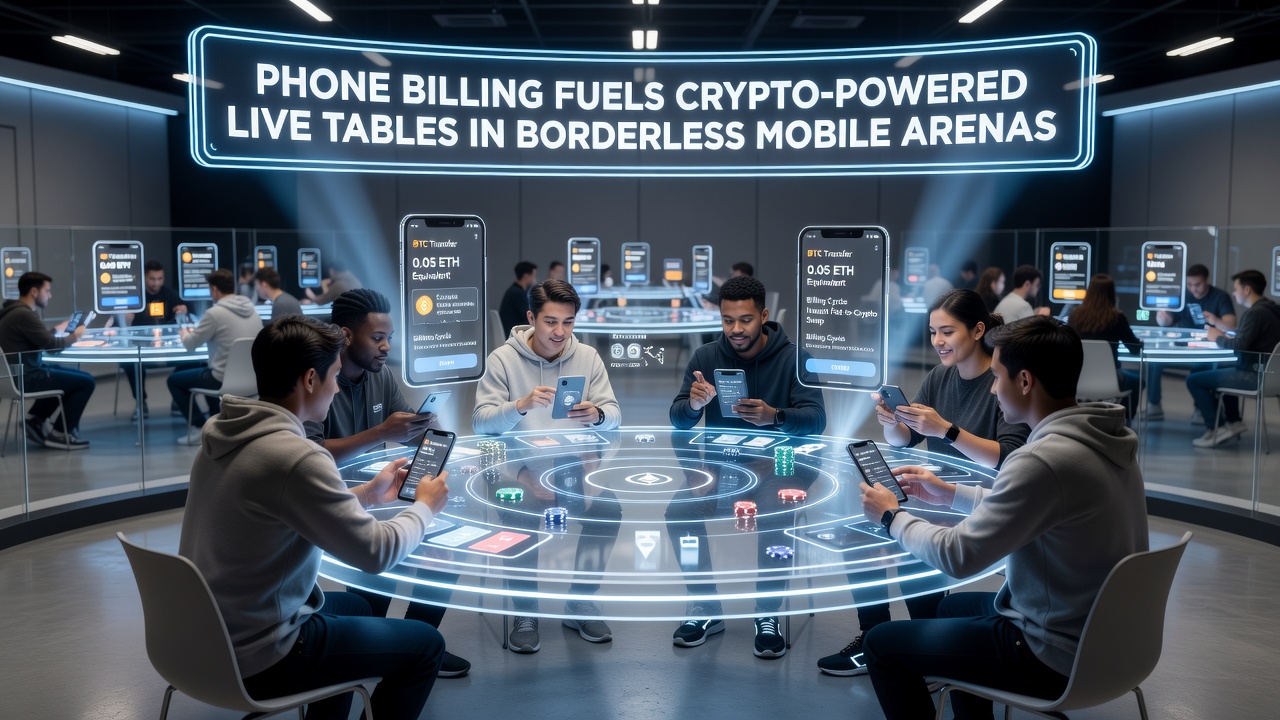
Platforms host live tables that stream from locations in Malta, the Isle of Man, and select Asian hubs, while mobile access remains available to users worldwide through app stores and browser portals. Phone billing works across different time zones because carrier networks operate continuously, and crypto settlement occurs independently of banking hours. Figures from the Australian Communications and Media Authority reveal that cross-border mobile gaming traffic increased notably in early 2026 amid these technical developments.
Each jurisdiction applies its own licensing requirements, yet many operators structure operations to serve international audiences without local entity registration. Data indicates that live dealer sessions in these arenas often feature multiple language options and regional currency displays converted automatically from crypto holdings. Players switch between tables hosted in different countries within the same session, and system logs track participation for compliance purposes.
Market Trends Observed in Mid-2026
Usage statistics compiled by industry research groups show that phone billing accounts for a growing share of deposits on crypto-enabled live platforms, while overall session lengths extend when instant funding removes delays. June 2026 data points to continued expansion in regions with high mobile penetration, particularly where traditional banking access remains limited. Live tables benefit from this funding method because stakes can adjust in real time based on wallet balances updated via blockchain confirmations.
Operators report that integration between carrier billing APIs and crypto exchanges requires ongoing maintenance, and updates in June 2026 addressed compatibility with newer 5G network standards. External audits verify that transaction volumes align with reported activity, and discrepancies trigger automated reviews before further play continues.
Technical Infrastructure Supporting Combined Systems
Application programming interfaces connect phone billing gateways to crypto nodes, and these connections allow simultaneous processing of fiat-equivalent charges alongside token movements. Mobile devices display unified balances that reflect both billing credits and crypto holdings, while encryption standards protect data during transfers. Those monitoring the sector note that latency issues appear less frequently after infrastructure upgrades completed earlier in 2026.
Testing environments simulate high-traffic periods, and results demonstrate that live dealer feeds maintain synchronization even when thousands of concurrent phone-billed sessions occur. Backup systems route transactions through alternative carriers or chains if primary pathways experience congestion.
Conclusion
Phone billing combined with cryptocurrency creates functional pathways for live dealer tables that operate without fixed national boundaries, and adoption metrics through June 2026 confirm sustained activity in this model. Platforms continue to refine connections between carriers, blockchain networks, and streaming services to support uninterrupted mobile participation across regions. Regulatory frameworks in various countries shape how these systems evolve while maintaining operational continuity for users who rely on the combined payment methods.