The Worldwide Transition to Streamlined Wagering Systems: Examining Mobile Payment Options and Real-Time Interactive Dealer Experiences
Erik Werner · Aug 2, 2026

The Worldwide Transition to Streamlined Wagering Systems: Examining Mobile Payment Options and Real-Time Interactive Dealer Experiences
Observers note a steady rise in users moving toward platforms that reduce steps in deposits and table access, with phone-enabled options playing a central role in this pattern. Data from industry reports indicates that operators have expanded mobile billing integrations across multiple regions since 2024, allowing direct charges to carrier accounts for quicker entry into games. This approach connects payment processing with user accounts through existing phone plans, cutting down on separate financial transactions while maintaining standard security protocols.
Mobile Deposit Mechanisms and Their Expansion
Research from regulatory bodies shows that phone bill deposits have grown in adoption rates in markets such as parts of Europe and Asia, where carriers partner with betting services to handle micro-transactions. According to figures released by the European Gaming and Betting Association, these methods accounted for a measurable portion of activity in select jurisdictions by mid-2025, with further increases projected into 2026. Operators integrate these systems by verifying user phone numbers at signup, then routing charges through established telecom billing channels that already track usage patterns.
Those who track payment trends point out that this setup supports smaller, repeated deposits without requiring additional banking details each time. In August 2026, updates from several carriers highlighted expanded compatibility with international platforms, enabling users in more countries to access the same billing flow. The process relies on API connections between betting software and telecom providers, which handle authorization and settlement in the background.
Live Interactive Tables and Platform Features
Live dealer tables have incorporated elements that allow direct interaction through mobile interfaces, including chat functions and camera feeds that update in real time. Studies from research institutions reveal that these tables often combine with deposit systems to create continuous sessions, where players move from funding to gameplay without leaving the app environment. Data indicates higher engagement metrics on platforms that synchronize phone deposits with live table availability, as users avoid delays associated with external payment processors.
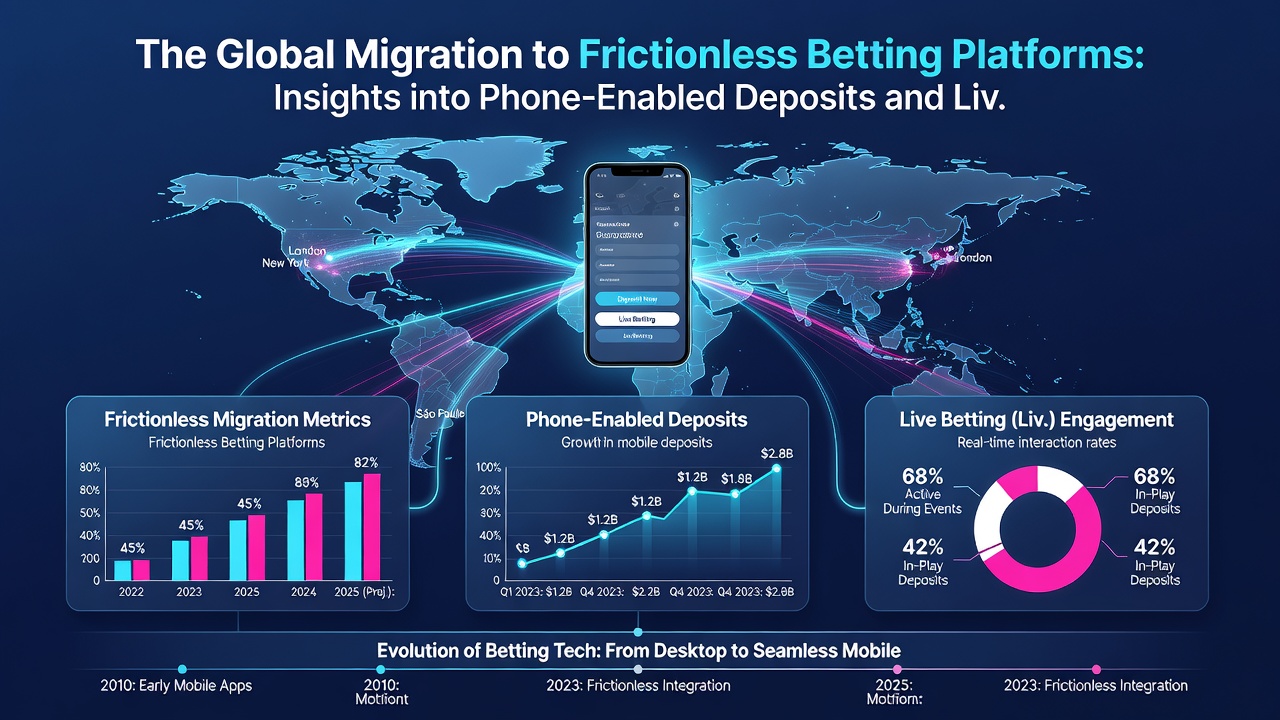
One analysis from an Australian research center found that live table traffic rose notably in regions with strong mobile infrastructure, partly because these formats support multiple camera angles and betting options displayed on smaller screens. Platforms adjust table limits and game speeds based on user device data, which helps maintain consistent performance across different connection qualities. This technical alignment contributes to the broader shift as operators refine interfaces for phone-based access.
Global Patterns and Regulatory Context in 2026
Figures from various government agencies demonstrate that migration to these platforms occurs unevenly across continents, with stronger uptake in areas where telecom regulations already support digital billing. In Canada, for instance, provincial oversight bodies have documented increases in mobile transaction volumes tied to entertainment services, including wagering. Similar patterns appear in reports covering Latin American markets, where local carriers have formed partnerships that facilitate cross-border access.
Yet the expansion faces checks from different licensing requirements, which vary by country and influence how quickly operators can roll out combined phone and live table features. Industry organizations have compiled data showing that platforms adapting to these regional rules see steadier user retention compared to those that do not. The overall movement reflects adjustments in both technology and compliance rather than uniform global change.
Conclusion
Evidence compiled through 2026 points to ongoing development in mobile deposit systems and live table integrations as key elements in platform evolution worldwide. Regulatory updates and carrier partnerships continue to shape availability, while performance data from multiple sources tracks how these features align with user behavior across borders. The patterns observed suggest sustained attention to these mechanics as operators respond to technical and regional demands.